Origins & Belief · Oct 2026 (B.E. 2569)
Entering the World of Thai Amulets and Ritual Traditions | Chapter 4: Five Famous Amulet Traditions
From Phra Rod in Lamphun to Phra Somdej in Bangkok, five distinct traditions became one enduring map of Thai devotion and collecting.
11 min
Entering the World of Thai Amulets and Ritual Traditions | Chapter 4: Five Famous Amulet Traditions
From Phra Rod in Lamphun to Phra Somdej in Bangkok, five distinct traditions became one enduring map of Thai devotion and collecting.
Original work by Yang Gongzi
Some amulet names seem to summon an entire city, a temple, and generations of memory. This chapter follows the book into the heart of Thai collecting: the five Benjapakee traditions, the temples around them, and the reasons a small molded image can command such devotion. Their appeal lies not only in price, but where time, craft, faith, and inheritance meet.
1. The Benjapakee: five places, five characters
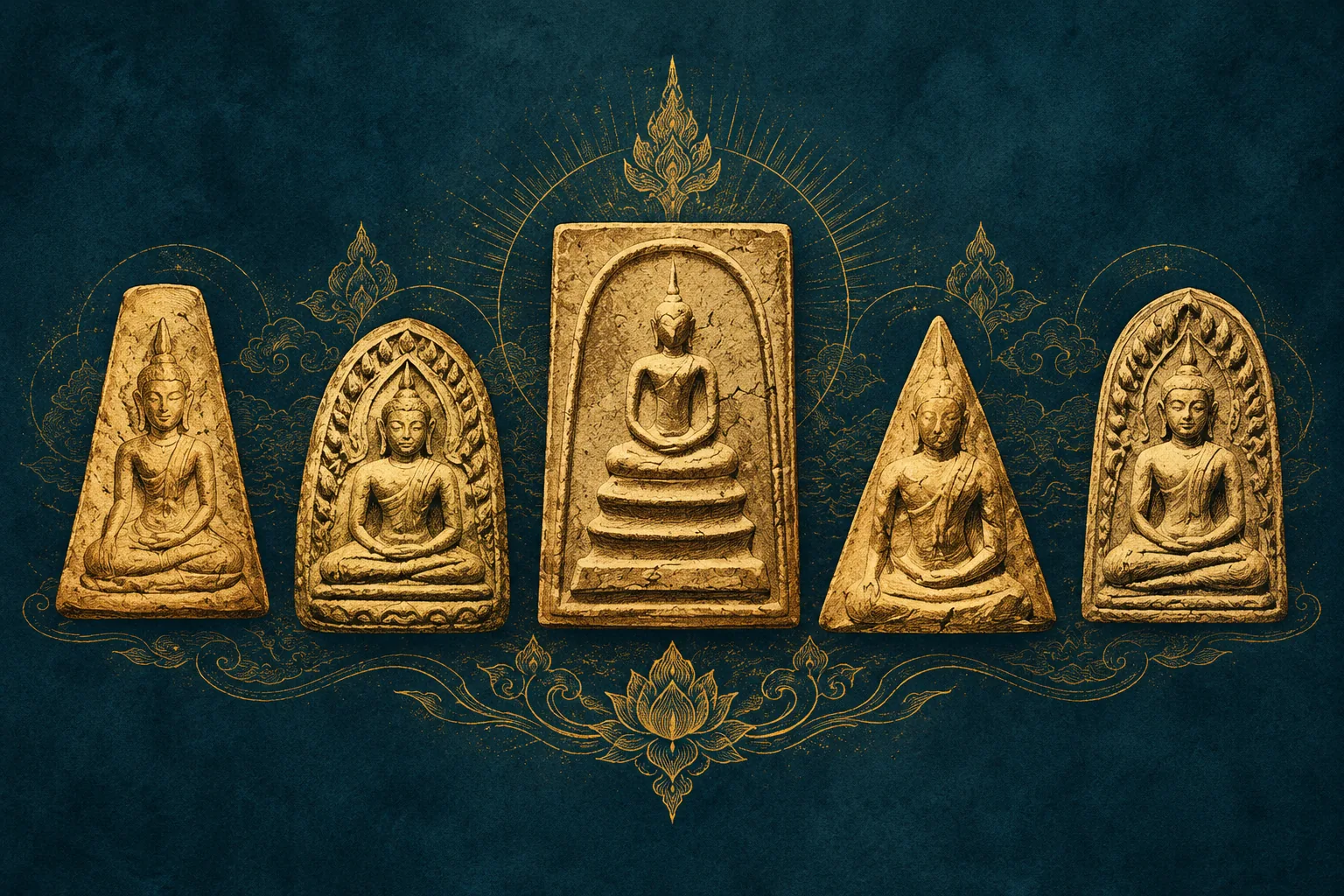
Benjapakee means a set of five. Collectors use the name for Phra Somdej, Phra Rod, Phra Phong Suphan, Phra Nang Phaya, and Phra Som Kor. It is a collecting canon formed long after the objects themselves, not a single issue made by one master in one year. Their different origins are exactly what make the group compelling: together they trace several regions of Thai religious art.
Phra Rod: a small image from ancient Lamphun
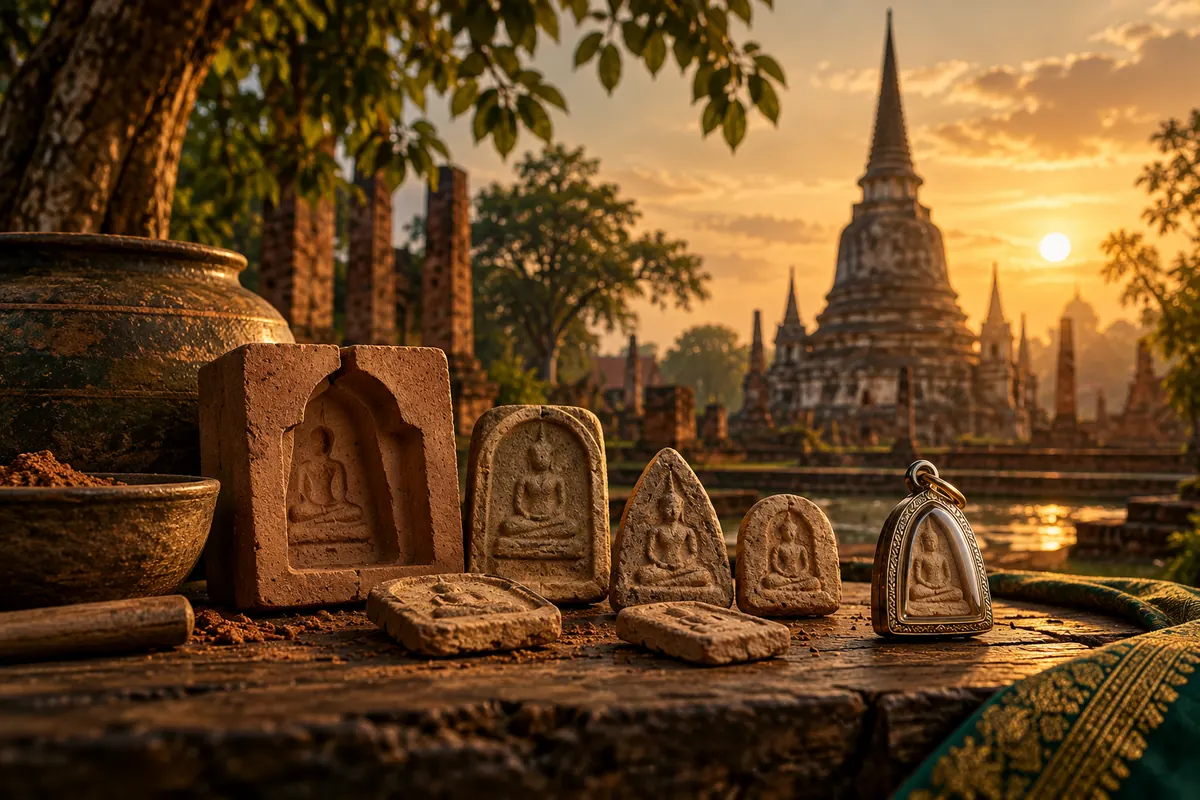
Phra Rod belongs to the story of Wat Mahawan in Lamphun, a temple linked in local memory with Queen Chamadevi. The compact fired-clay image sits within a close-fitting arch of foliage. Rod evokes surviving or passing safely through danger, which gives the amulet its beloved protective associations. A piece small enough for the palm carries the long memory of Hariphunchai.
Phra Somdej: Bangkok and Somdej Toh
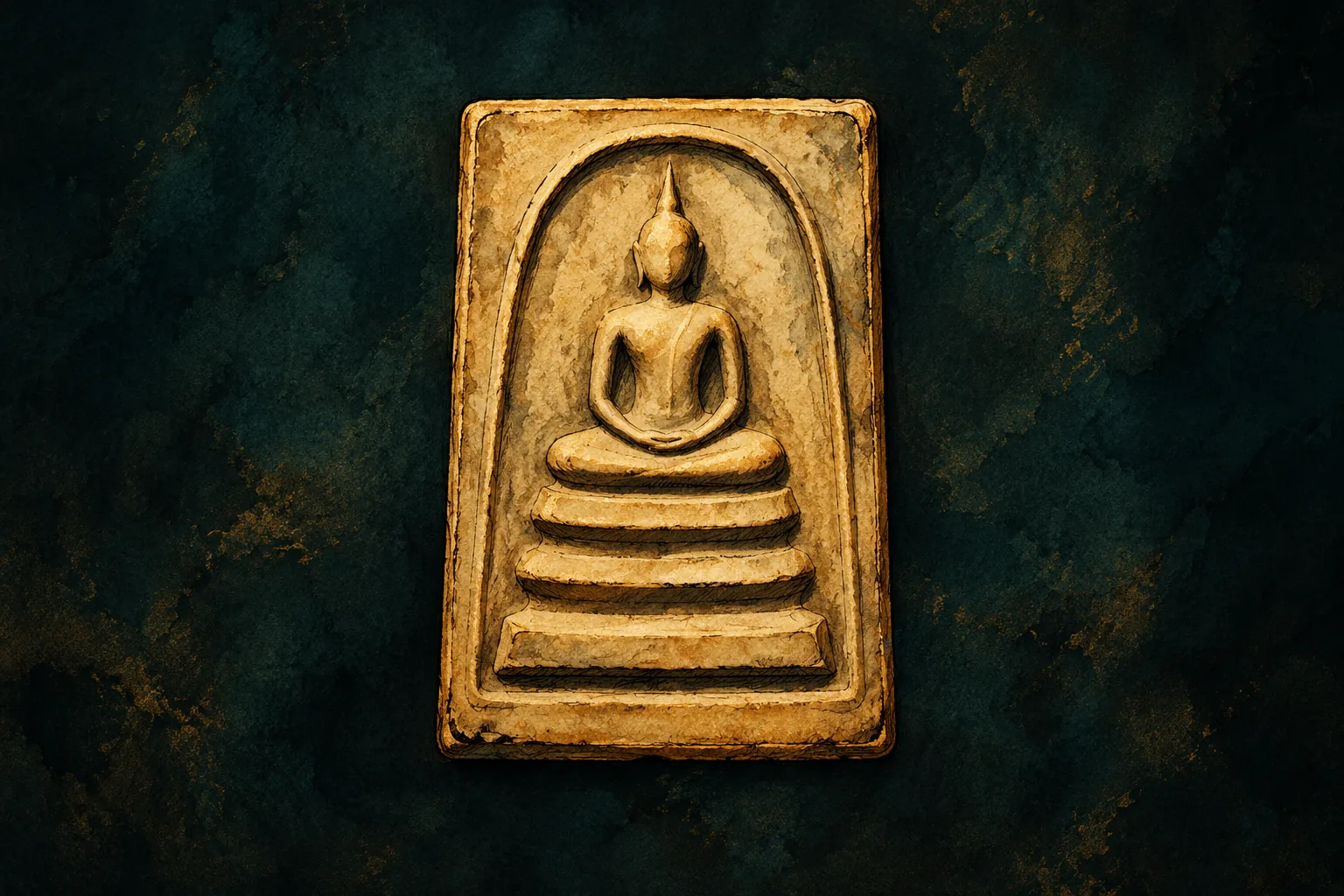
Phra Somdej is closely associated with Somdej Toh and Bangkok's Wat Rakhang Khositaram. A seated Buddha, a clean arch, and tiered base give it a silhouette recognised far beyond the temple. Its title, 'king of amulets', reflects both Toh's reputation and the collecting devotion that followed. Wisdom, blessing, and protection are among the meanings wearers have long brought to it.
Phra Phong Suphan: a prang and three faces
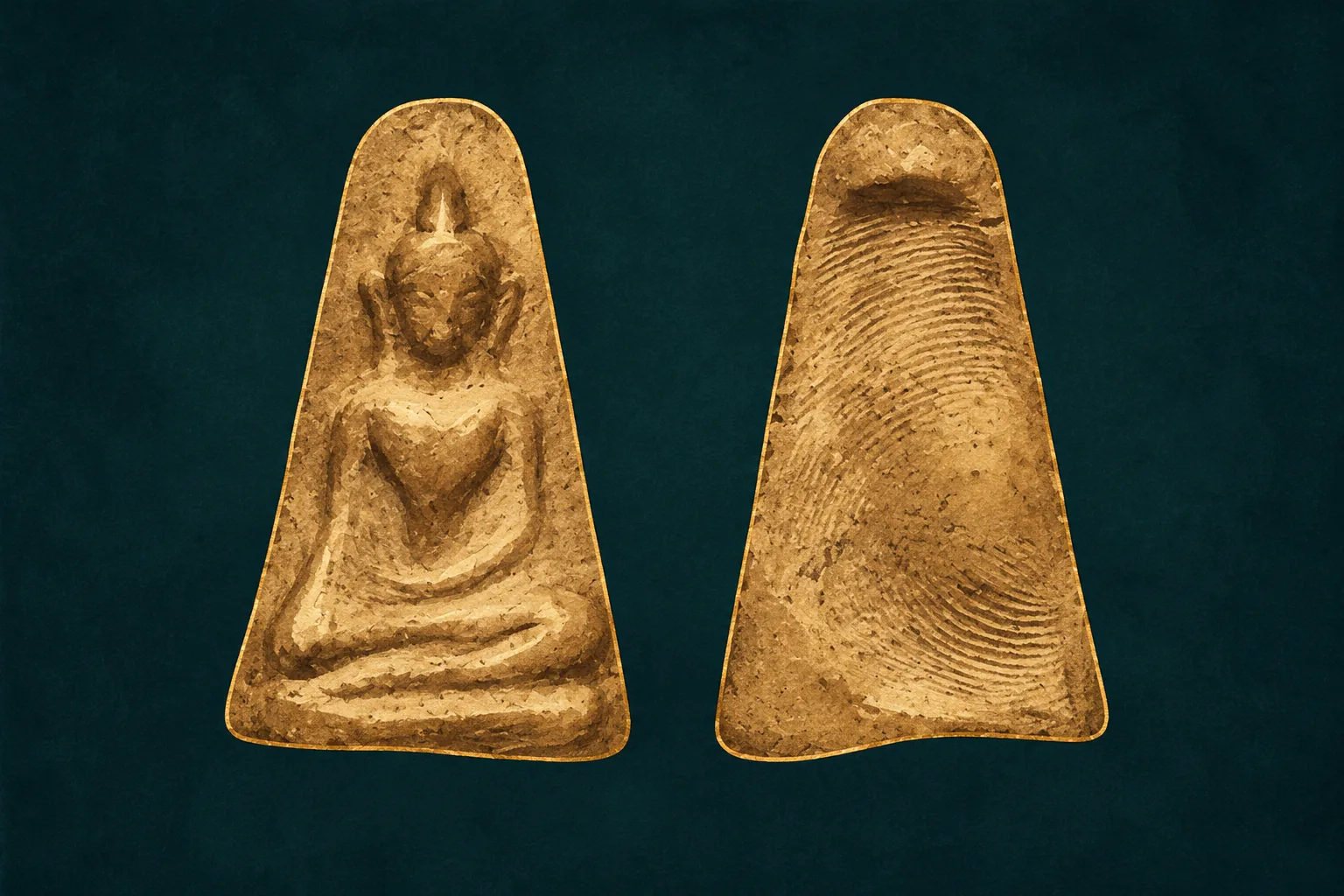
Phra Phong Suphan emerged from the principal prang at Wat Phra Si Rattana Mahathat in Suphan Buri. Despite the word phong, or powder, the Fine Arts Department describes the famous examples as fired clay. Collectors cherish three facial molds—older, middle, and youthful—and often observe the pressing marks on the reverse. Craft and the age of the old city remain visible on its small surface.
Phra Nang Phaya: the 'queen' of Phitsanulok
Phra Nang Phaya belongs to the Phitsanulok tradition of Wat Nang Phaya. Its seated figure and broadening lower outline create a strong presence with remarkably few lines. Chinese collectors call it the 'queen amulet', a poetic name rather than a restriction to women. Wearers connect its poise with confidence, favour, and leadership.
Phra Som Kor: the arches of Kamphaeng Phet
Phra Som Kor leads us to Kamphaeng Phet and Nakhon Chum, a landscape of cities, temples, and multiple ancient crypts rather than one isolated tower. The Buddha sits within a distinctive arch, often surrounded by leaflike ornament. A famous collecting phrase promises freedom from poverty and gives the type its prosperous aura; the older city and its deposits are the deeper history behind the name.
2. Temples give the stories a place to return to
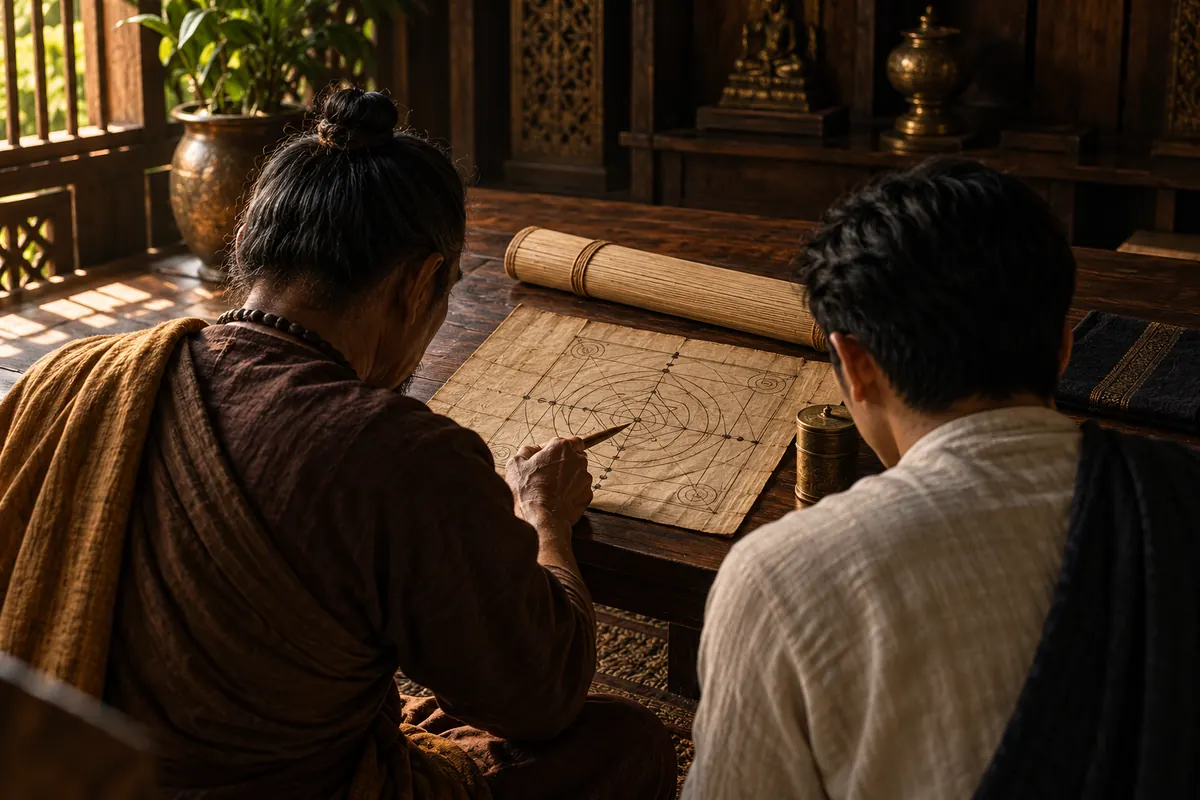
The book also names Wat Rakhang, Wat Bang Phra, Wat Chang Hai, and Wat Pak Nam. Each invites a different journey: Toh and the Somdej tradition at Wat Rakhang; sak yant at Wat Bang Phra; local devotion to Luang Pu Thuat at Wat Chang Hai; and the teaching legacy of Luang Pho Sodh at Wat Pak Nam. A temple visit takes an amulet out of a price list and returns it to monks, devotees, and everyday local life.
The five traditions invite a wider route through Wat Mahawan in Lamphun, Wat Phra Si Rattana Mahathat in Suphan Buri, Wat Nang Phaya in Phitsanulok, and the temple remains of Kamphaeng Phet and Nakhon Chum. From north to centre, the Benjapakee becomes a cultural map one can actually travel.
3. Collecting need not begin with the most expensive
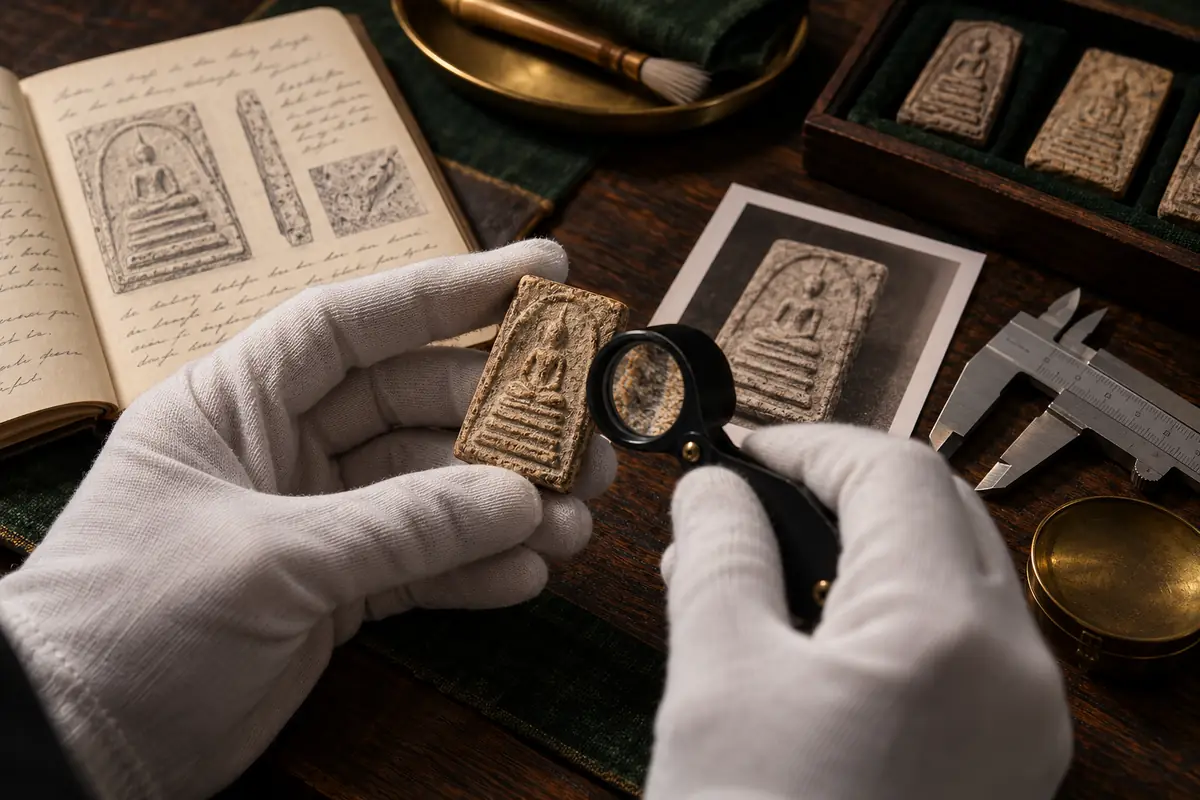
The book asks a generous question: if legendary old amulets are rare and costly, how can an ordinary person enter this world? Ownership need not come first. A temple visit, a master's life, the posture of an image, the difference between molds, or a later commemorative issue can all train the eye. Price may reflect scarcity and demand, but it is not a measure of anyone's faith.
One person treasures an amulet inherited from family; another is drawn by a temple history, a teacher, or a prayer. Collecting and wearing can hold knowledge, affection, and devotion together. The book's thought—that sincerity matters more than expense—still speaks to readers today. A piece with personal meaning may remain a lifelong companion more readily than a name chased only for its place on a list.
How this connects to life today
The Benjapakee is not a checklist to buy as quickly as possible. It offers five doors into cities, temples, forms, beliefs, and the people who keep those memories alive. Next time you meet a Somdej's tiered base, Phra Rod's dense foliage, a Phong Suphan face, Nang Phaya's steady outline, or Som Kor's arch, pause to ask where it comes from and why it moves you. That is where collecting begins to become understanding.