Exchange

Members buy and sell.

Standard members must apply separately for trading membership before buying or selling. You can post after approval. A listing shows a name only. Contact details stay private, so use a message on this site. Payment and the piece pass between the two sides. This site holds neither, and does not guarantee authenticity.

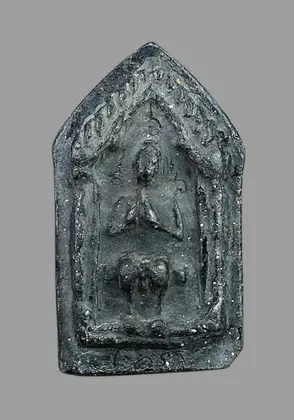
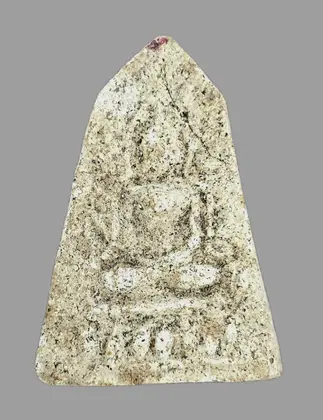
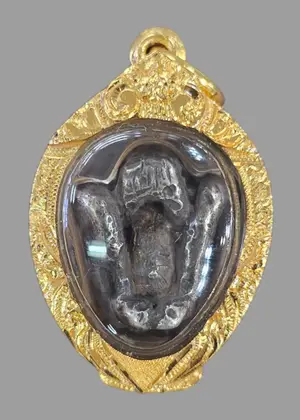
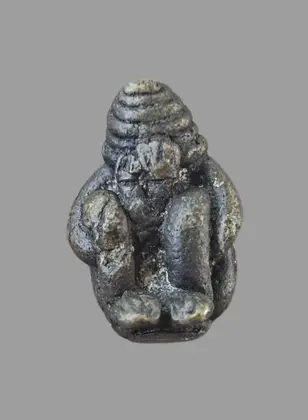
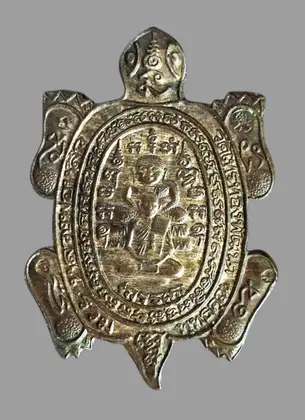
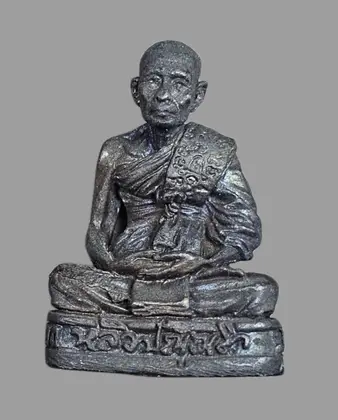
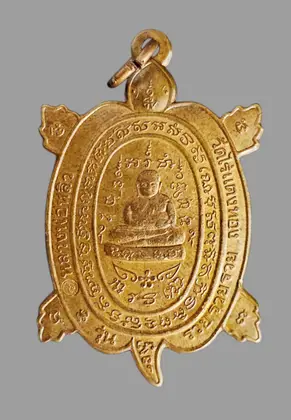
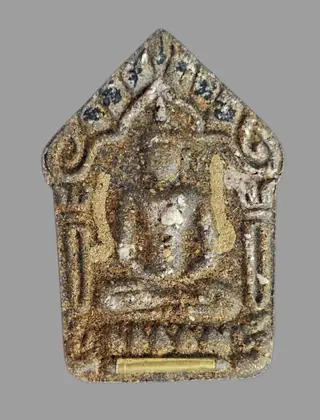
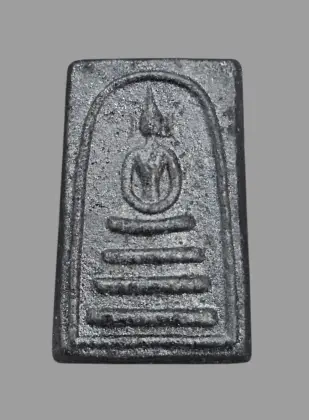
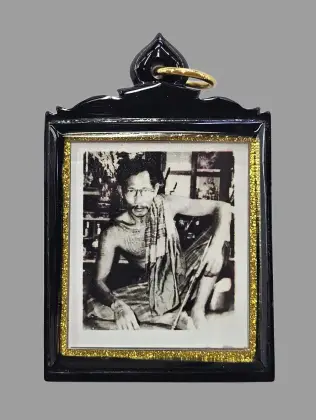
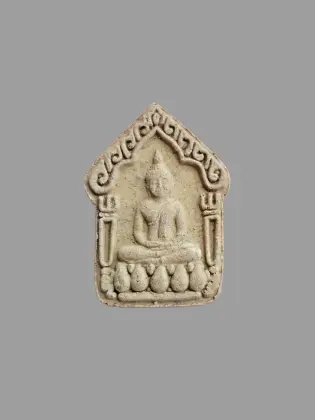
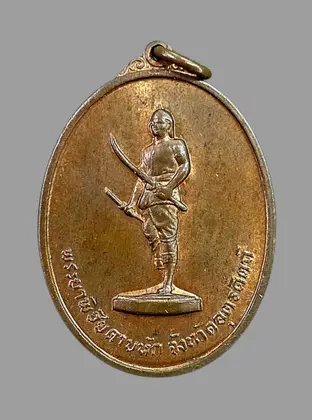
  1. 2513年 เหรียญพระยาพิชัย 第一期 帕也劈砌 (龍婆通丹開光)

    For sale · Metal & coins

    2513年 เหรียญพระยาพิชัย 第一期 帕也劈砌 (龍婆通丹開光)

    龍婆通丹與屈他通:百歲長老、地方寺務與佛曆2529首期聖物 龍婆通丹(หลวงปู่ทองดำ ฐิตวัณโณ),僧階名พระนิมมานโกวิท,是程逸府屈他通(วัดท่าทอง,普通話作「瓦塔通」)最具代表性的老一輩僧人之一。泰國資料亦常稱他為「五朝長老」,所指是他一生跨越拉瑪五世至拉瑪九世,而不是佛教教義上的一個正式稱號。 辨認他時,寺院與府名不可省略。香港、台灣及東南亞華人市場另有一位同樣被稱為「龍婆通丹」的近代師傅,住持華富里府屈探達扁通(วัดถ้ำตะเพียนทอง)。兩人年代、寺院與傳承完全不同;本文所述的是佛曆2548年圓寂、長年住持程逸府屈他通的หลวงปู่ทองดำ。 由披集府走到程逸府 地方報道與流傳最廣的生平資料記載,龍婆通丹俗姓เม่นพริ้ง,生於佛曆2441年3月15日,出生地是披集府達潘欣縣บ้านไซโรงโขน,父親名บุญนาค,母親名จ่าย。佛曆2463年,他二十二歲時在程逸府屈旺姆(วัดวังหมู)受具足戒,戒和尚為屈他他濃的พระครูวิเชียรปัญญามหามุนี(เรือง),法號ฐิตวัณโณ。 受戒後的求學次序,在公開資料中主要由後期傳記保存。較完整的版本稱,他先在屈他通安居一季,之後前往屈他他濃(วัดท่าถนน)研習戒律與佛學,並於佛曆2466年通過นักธรรมตรี初級佛學考試。佛曆2468年,屈他通信眾與地方僧團邀請他返回主持寺務;程逸府教育機關的地方課程資料亦記載他自該年起擔任住持,這是目前較有公信力的年代支點。 他後來的僧團職務較為清楚:佛曆2504年獲授พระนิมมานโกวิท,佛曆2510年出任程逸府市區僧團領導職務,佛曆2542年轉任顧問,直至圓寂。這些職銜反映他不只是一位受收藏界追捧的加持師傅,也長期承擔寺院管理、僧團教育與地方宗教事務。 屈他通的長期建設 屈他通位於程逸府市區縣วังกะพี้分區,靠近難河。寺院史資料記錄寺內有佛殿、講堂、誦經堂、僧舍與政府小學;地方傳記則把擴充寺地、重建殿堂、設立佛學教育與禪修空間等工作,與龍婆通丹長達數十年的住持任期連在一起。 這裡需要分清證據層次:寺院建築及學校的存在,有寺院史與地方教育資料支持;但每一幢建築究竟由誰倡議、何人出資及在哪一年完工,未必都有完整工程檔案公開。因此,較穩妥的說法是,他在任內主持並推動屈他通由地方小寺逐步發展,而不是把全部建築功勞簡化為一人所為。 當地回憶亦常把他形容為「貼近村民的僧人」。一篇由長年往來寺院者撰寫的回憶,記錄他樂意出席村民的宗教活動,即使由農用車接送也不介意;另一份地方傳統醫藥研究則提到,後來的社區醫者把他視為傳統醫藥與照顧鄉民的精神源頭。這些不是現代醫療成效證明,卻能說明寺院在當時農村社會同時具有宗教、教育、照顧與調解功能。 關於龍婆艮的師承傳說 最著名的故事,是龍婆通丹幼年曾被父母帶到披集府屈曼近蘭,並由龍婆艮(หลวงพ่อเงิน พุทธโชติ)收為義子、傳授經咒。故事還說,他記憶力過人,能迅速背誦經文。這一說法在寺院紀念活動、報章與收藏界文章中反覆出現,已成為地方信仰記憶的重要部分。 不過,現階段仍未見同時代收徒文書、寺院簿冊或龍婆艮一方的原始記錄,可獨立證實「義子」關係的全部細節。因此本文把它列作傳承敘事,而不當作無爭議的僧籍事實。較接近親歷材料的回憶則稱,龍婆通丹約十歲時曾跟隨程逸府屈崗的龍普添(หลวงปู่ทิม วัดกลาง),並有機會隨師拜訪龍婆艮。兩種版本可能反映同一段地方記憶的不同重述,不能在欠缺原始文件時強行合併。 佛曆2512泥牌與「地震崇笛」 在佛曆2529年肖像聖物以前,收藏界最重視的,是據稱由佛曆2512年末開始製作的一批泥質佛牌。流傳牌模包括大小崇笛、坤平、佛祖、帕洛、龍普托及行走佛等。近寺人士的回憶稱,泥料取自程逸府及鄰近地區九所古寺或荒寺佛像座下,並加入南披鐵;佛牌由寺內僧眾協助壓模、入缽燒製,部分表面塗紅色蟲膠。 這批牌在市場常被稱作「地震崇笛」。傳說龍婆通丹在佛殿加持時剛好發生地震,之後又把部分佛牌帶到佛曆2513年程逸府首期พระยาพิชัยดาบหัก紀念硬幣的大型法會。地震發生與否、每一牌模是否同批、九寺泥及南披鐵比例,都未見完整寺院製作簿可供逐項核對;故「佛曆2512、九寺泥、地震」應視為收藏傳統的重要標籤,而不是僅靠外觀即可證明的真偽標準。 佛曆2529首期肖像聖物 龍婆通丹最容易建立清晰分類的代表作,是佛曆2529年首次獲准製作的肖像聖物。收藏資料稱,在此之前他多次婉拒製作自己肖像;佛曆2528年程逸府監獄製作一批粉質佛牌請他加持,當中出現其肖像,才促成弟子再次請示,最終獲准製作正式首期。 首期包括供奉型坐像、小型金屬立體坐像與橢圓形紀念硬幣。紀念硬幣正面是龍婆通丹盤坐像,左右及下方刻有พระนิมมานโกวิท、屈他通、程逸府、年號及歲數文字,背面為方框內符印。資料列出的材質包括金、銀與銅;立體像另見นวโลหะ多金屬合金。相關文章亦記有各材質數量,但這些數字來自收藏文章而非目前可見的寺院鑄造總帳,研究個別實物時仍需核對盒、編號、舊照片與來源鏈。 程逸府政府公關部門佛曆2568年的地方佛牌比賽名錄,把龍婆通丹佛曆2529年首期立體像列為地方名師收藏項目。這證明它在當地收藏分類中有穩定地位,但比賽設有一個類別,並不等於任何外貌相似的實物都自動獲得真品身分。 辨識時先核對名稱、年代與工藝 研究龍婆通丹聖物,可先做三層核對。第一層是人物:牌上應出現ทองดำ、พระนิมมานโกวิท、วัดท่าทอง或อุตรดิตถ์等相應文字,不能只憑中文「龍婆通丹」便判斷。第二層是版本:佛曆2512前後的泥牌、佛曆2529首期肖像硬幣、立體像及後期紀念硬幣,工藝與材料都不同,不應互相比套。第三層是實物:比較字粒、肖像輪廓、符印位置、邊口、吊環、鑄造或沖壓痕、表面自然老化及來源紀錄。 對泥牌而言,磁石反應只能提示可能含鐵,不能證明一定加入南披鐵,更不能單獨證真;紅色表層、舊裂與污漬亦可後做。對佛曆2529金屬件而言,材質、重量、尺寸與模具細節要和同類、同材質、來源清楚的實物比較。若賣方只提供神效故事,卻沒有清晰正反面、邊位照片及可追溯來源,資料仍不足以支持高價判斷。 圓寂日期與周年數的矛盾 多份資料一致記載,龍婆通丹於佛曆2548年8月25日晚上圓寂,享年一百零七歲、八十六雨安居;以佛曆2441年3月15日出生計算,「一百零七歲五個月二十日」在日期上相符。部分近年紀念活動新聞卻把佛曆2565寫成「誕辰一百二十一年」,佛曆2567寫成「一百二十三年」,換算後等於佛曆2444年出生,與詳細日期及享年不一致。 這種差異不應被悄悄修平。本文以資料較完整、且能與享年互相計算的佛曆2441年作主要年代,同時保留紀念活動周年數不一致的註記,等待寺院僧籍、出生記錄或正式訃告進一步確認。圓寂後,寺內興建四面亭安奉其遺體,地方每年仍舉行追思、誦經、供僧與公益活動,顯示他的影響早已超越佛牌市場。 與今日生活的連結 龍婆通丹最值得記住的,不只是傳說中的法術或某一批高價佛牌,而是他把漫長僧侶生涯放在一所地方寺院之中:研習戒律、管理僧團、擴充寺務、回應村民需要,並對以自己名義牟利保持克制。收藏他的聖物,如果只追逐神效,反而容易錯過這段歷史。 今日面對同名師傅、互相抄錄的年份與真假難辨的實物,最有用的修行或收藏態度仍然是耐心:先辨人、再辨寺、再辨年代與物件;尊重信仰,也尊重證據。這份耐心,比任何一句保證都更能保護收藏者,也更接近一位地方長老留給後人的精神。

    PM

    26 Oct 2026 (B.E. 2569)

    The AI translation is being prepared in the background and will appear here automatically.

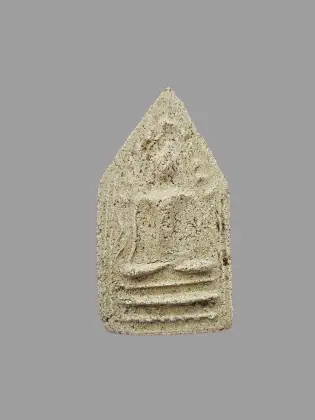
  2. Luang Pu Yaem Phra Khun Phaen, Special Batch

    For sale · Powder & clay

    Luang Pu Yaem Phra Khun Phaen, Special Batch

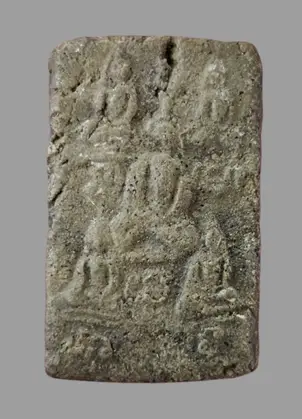
    Luang Pu Yaem and Wat Don Phutsa: the centenarian elder, village healer, and tradition of Khun Phaen clay amulets Luang Pu Yaem (หลวงปู่แหยม จันทรสโร; Thai sources also commonly call him Luang Pho Yaem, หลวงพ่อแหยม) was an elder monk at Wat Don Phutsa (วัดดอนพุทรา) in Don Tum District, Nakhon Pathom Province. The Hong Kong market uses “Luang Pu Yaem, Wat Don Phutsa”; Mandarin-language versions use “Luang Pu Yaem, Wat Don Phutsa” with a different Chinese transliteration. Because “Luang Pu Iam” (หลวงปู่เอี่ยม) of Wat Nang or Wat Saphan Sung may also be referred to by a similar Chinese name, identifying this monk requires checking the Thai name วัดดอนพุทรา, Nakhon Pathom Province, and the Khun Phaen clay-amulet tradition together. Documented location and biographical details still requiring verification The temple directory of Thailand’s National Office of Buddhism and Sangha announcements both list วัดดอนพุทรา in Don Phutsa Subdistrict, Don Tum District, Nakhon Pathom Province. Local administrative authorities also list it as one of the subdistrict’s two Buddhist temples. In other words, the temple’s name and administrative location are supported by official documents. As for Luang Pu Yaem’s early life, number of ordinations, and teachers, the most widely circulated material currently comes mainly from biographies in Thai collecting circles, rather than contemporaneous monastic registers or original temple records. These details should therefore be understood as “according to biographical accounts,” rather than treating every detail as fully verified. Biographies in collecting circles generally state that he was born in Buddhist Era 2430 (1887 CE) and had the monastic name จันทรสโร. Accounts say that he was ordained at Wat Don Phutsa when he was young and studied with Luang Pho Chaem of Wat Ta Kong (หลวงพ่อแช่ม วัดตาก้อง) and Luang Pho Tha of Wat Phaniang Taek (หลวงพ่อทา วัดพะเนียงแตก). He later disrobed, married, and had three children. This life path of “ordination, disrobing, and reordination” is important background for understanding his later role in the village as both a monk and a traditional healer. The same sources also say that he was reordained at Wat Thung Phak Kut in Buddhist Era 2493, with Phra Khru Phrom Wisut (Wong Phrommasaro, พระครูพรหมวิสุทธิ์ (วงษ์ พรหมสโร)) serving as his preceptor. When Wat Don Phutsa lacked an abbot, villagers asked him to oversee the temple. He initially wished to remain in quiet practice, but later accepted the temporary appointment and handed the position to the appointed abbot about two years later. This account presents him not as someone seeking monastic office, but as an elder who temporarily took on responsibility when the community needed it. However, the biography also describes him as 58 years old in Buddhist Era 2493, which does not match the stated birth year of Buddhist Era 2430. Other accounts say that he passed away in Buddhist Era 2531, aged 101, after 43 rains retreats; some of these figures also cannot be individually cross-checked against surviving public primary documents. This article retains the most widely circulated birth and death years but does not present “58 years old at the time of reordination” as an established fact. These inconsistencies are a useful reminder that a monk’s biography should not be pieced together merely by copying online sources from one another; the level of evidence should be made clear. A monk and traditional healer in the village Local oral accounts and biographies in collecting circles often describe Luang Pu Yaem as a monk familiar with herbal remedies and traditional healing. People who were ill, had bone injuries, or were experiencing what was understood as spiritual disturbance would seek help at the temple. Accounts particularly emphasize that he did not treat people differently according to wealth and did not ask for payment. It is not possible today to reconstruct every case from medical records, nor should religious accounts be treated as modern medical evidence. These memories nevertheless reflect the role of the temple in rural society at the time: it was not only a place of practice, but also a place where residents sought comfort, herbal knowledge, and help resolving interpersonal disputes. Biographies also associate him with the patronage of Field Marshal Plaek Phibunsongkhram (จอมพล ป. พิบูลสงคราม) and Khunying La-iad (คุณหญิงละเอียด), and state that the two helped develop the temple and establish โรงเรียนละเอียดอุปถัมภ์. The school’s association with Wat Don Phutsa can be verified through current education and Buddhist examination records. However, direct support from school histories or government archives for which patron established it, and in what year, is still lacking. This article therefore retains the connection between these figures as local tradition and does not present it as a confirmed record of the school’s founding. The best-known Khun Phaen clay amulets The sacred objects most commonly associated with Luang Pu Yaem in collecting classifications are Khun Phaen clay amulets. The Thai Amulet Association and major competition catalogues list “Phra Khun Phaen, Luang Pho Yaem, Wat Don Phutsa” (พระขุนแผน หลวงพ่อแหยม วัดดอนพุทรา) and “sacred objects made of clay from seven cremation grounds” (วัตถุมงคลเนื้อดินเจ็ดป่าช้า) as local Nakhon Pathom collecting categories. Some catalogues also list his first-batch stamped commemorative coins separately. This establishes at least that these names have stable classifications within Thai collecting systems, but a competition listing alone cannot prove the date or authenticity of any particular piece. Market sources usually place the production period of his Khun Phaen amulets between Buddhist Era 2485 and around 2500, describing them as small, pentagonal clay amulets. The main figure is often shown seated in a subduing Mara posture; there is also a design colloquially called “summoning Kuman” (เรียกกุมาร). Some amulets show a child figure beneath the seat. The clay is said to include soil from several burial grounds, field soil, crab-hole clay, material adhering to boundary stones, herbs, sacred powder, palm-leaf manuscript ash, or bone ash. These material descriptions are broadly similar across different articles, but most come from later collecting accounts. At present, no complete temple production register or original contemporary recipe has been found, so they should be treated as traditional accounts rather than an ingredient list that can be verified item by item with the naked eye. The backs commonly feature yantra characters or numerals written by hand while the clay was still wet, which collectors call “wet incising” (จารเปียก). Frequently mentioned examples include เลขห้า, ตรีนิสิงเห, and other formulas that vary from piece to piece. It is not reliable, however, to assume that “every amulet should have exactly the same yantra.” The size, clay colour, mould lines, and strokes on the back of hand-pressed amulets may naturally vary, and later imitations may also copy old cracks, stains, and handwritten yantra characters. Begin identification by establishing provenance When researching Luang Pu Yaem’s Khun Phaen amulets, first distinguish the main figure’s posture, the child beneath the seat, the arch frame, and the lines of the base. Then record the height, width, thickness, weight, clay texture, and yantra characters on the back. Compare pieces made from the same mould and material with clear provenance side by side, rather than judging every version from a single online image. If a seller claims that an amulet dates from Buddhist Era 2485, belongs to the first batch, or uses a particular material, ask for old collection records, early photographs, reliable certificates, and traceable transfer records. Legendary stories or claims about efficacy cannot substitute for evidence of provenance. Folk beliefs associate these amulets with protection, charm and social appeal, and relief from unease. Stories are also told about warfare, bandits, or healing. These are part of religious history and collecting culture: they help explain why the amulets are treasured, but they do not guarantee safety, health, good fortune, or relationship outcomes. For collectors today, the most practical form of respect is to distinguish clearly between the monk, the temple, the amulet mould, accounts of the materials, and the sources of evidence. A monk with many namesakes, but a clear local setting Public information about Luang Pu Yaem still has gaps: there are no complete, accessible birth records, ordination certificates, or year-by-year temple records, and some dates contradict one another. Nevertheless, the official location of Wat Don Phutsa, his name in Nakhon Pathom collecting classifications, the various forms of his Khun Phaen clay amulets, and local memories of him as “a monk and traditional healer” together provide a fairly clear outline. The account that he passed away in Buddhist Era 2531 at the age of 101 is widely circulated in Thai biographies. Although it still requires further verification from original temple documents, the story of this centenarian elder reminds us that researching a monk is not a matter of piling up miraculous tales. Verifiable facts, local memories, collecting classifications, and religious narratives should each be kept in their proper place.

    PM

    26 Oct 2026 (B.E. 2569)

    AI semantic translation · the original post remains authoritative

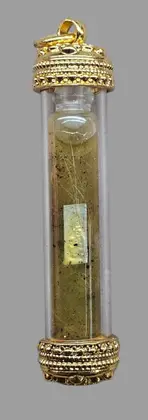
  3. 龍婆才, B.E. 2497, First Edition Phra Phuttha Chinnarat in Phrai Powder (Small Mold)

    For sale · Powder & clay

    龍婆才, B.E. 2497, First Edition Phra Phuttha Chinnarat in Phrai Powder (Small Mold)

    【No. 1 in “Phrai Powder” in All of Sing Buri】 Luang Pho Chai, 屈匯嘩 It is said that wearing his amulets turns sworn enemies into friends and drives the opposite sex wild. Even the revered modern monk Luang Pho Jaran of Wat Amphawan exclaimed: “Luang Pho Chai’s sacred powder is the strongest 熱天庶 sacred powder in Sing Buri!” These “legendary sacred objects” were made by Luang Pho Chai during the turbulent years of BE 2486–2497. An accomplished monk, he drew on his lifetime of spiritual cultivation to protect the lives and livelihoods of his devotees. Luang Pho Chai (Phra Athikan Chai Wisanapanya) was the third abbot of 屈匯嘩 in Sing Buri Province. Born: BE 2425 Passed away: BE 2501, month 9, day 25 Years in the monkhood: 56 years (aged 76) He was the local “father of education” and the teacher of the later renowned master 龍婆文朱. In those war-torn times, he not only compassionately established schools but also possessed formidable magical practices for “subduing spirits and rendering the body invulnerable to blades and bullets.” 【A Top-Secret Formula × Powerful Phrai Spirits】 Luang Pho Chai spent ten years (2486–2497) making this batch of sacred objects, bringing together some of the hardest-to-find “sacred ingredients” in the world. Knowing that ordinary consecrated powders produced results relatively slowly, he used potent ingredients widely regarded in magical practice as among the most difficult to control: “Cremation ashes from seven cemeteries,” specifically ashes of people who “died on Saturday and were cremated on Tuesday.” In Thailand, this is called “the most powerful timing for spirits.” Death on Saturday: In Thai astrology, Saturday represents Saturn and is an “extremely unyielding day.” Souls departing on this day are believed to have the strongest attachments and greatest power, together with qualities of “authority” and “unbending resolve.” Cremation on Tuesday: Tuesday represents Mars, symbolizing war, destruction and raging fire. When a powerful soul—one who died on Saturday—is cremated on the day when fiery energy is strongest—Tuesday—ritual practitioners believe that this energy becomes “locked” within the ashes, creating an “extremely fierce” spiritual energy. Scarcity: The chances of finding someone who happened to die on Saturday and was also scheduled for cremation on Tuesday are quite low. The family must also agree to donate the ashes, making it like searching for a needle in a haystack. Ashes from just one person who “died on Saturday and was cremated on Tuesday” were not enough. Luang Pho Chai’s formula required such ashes from seven different cemeteries. The reason lies in the esoteric meaning of the number “7”: In Buddhism and Brahmanism, “7” represents completeness and cycles—seven days in a week and seven heavens. The spiritual energy of a single cemetery may be limited by the energy of its location. Collecting ashes from cemeteries in seven different directions represents drawing in spirit power from “every direction.” This means that wherever the wearer of this amulet goes—east, south, west or north—the local “spirit-world network” is there to help behind the scenes. “Vulture bones with hand-inscribed yantras”: This is an extremely rare material, representing control over death and rebirth and possessing very strong power. It also symbolizes consuming death and decay and transforming them into vitality. In magical symbolism, this means “devouring all bad luck and being reborn from the lowest point.” There really were many vultures in Thailand in the past. Historical records from around 100 years ago describe the actual scene during a major cholera epidemic in Bangkok, when the Golden Mount temple (Wat Saket) became an open-air morgue and flocks of vultures gathered to feed on the bodies. Since carrion is their main food, modern society no longer provides enough food for them, so vultures have had to return to forest habitats and are now virtually impossible to encounter in urban areas. Earth from Two Types of Elephant-Tethering Posts: Land-based elephant post: Covered in oily secretions from elephants in musth, symbolizing power and control. Water-based elephant post: An elephant-tethering post that has drifted with the current, symbolizing wealth flowing in continuously. The symbolism of the elephant post: Wearers can possess an intimidating presence, restrain opponents stronger than themselves and hold on to wealth without letting it slip away—just as a tethered elephant cannot escape. This material possesses powerful seductive attraction because it contains “oil from elephants in musth.” The symbolism of elephant oil: It makes people feel an urge to “rub against” you and “be close” to you, like an elephant’s attachment to its post—a very primal and forceful attraction. The master did not pull out the entire wooden post and grind it into powder. Instead, he scraped off a special layer of material on its surface, called “ไคล” (pronounced “khai”), meaning “the dirt and oily deposits on the wooden post.” When elephants are tethered to a post, they habitually rub their bodies against it out of boredom or when in musth. This layer of “ไคร” contains elephant skin flakes, sweat and, most importantly, the highly prized “elephant oil.” When an elephant is in musth, it produces an extremely potent oily secretion. Thai people believe this oil possesses the highest degree of “aphrodisiac and interpersonal-attraction” power. As the oil coats the wooden post and gradually soaks into it over time, the post becomes a vessel for magical power. A water-based elephant post is a post beside a river used to tether elephants while they bathe or work. Because it is washed by flowing water and rubbed by elephants, it gains an additional meaning of “generating wealth through flow” and “being loved by everyone”—water represents charm. 熱天庶 Powerful-Spirit Phrai Powder: This was the master’s distinctive, exclusive practice, specializing in the power of interpersonal attraction that “captivates people’s hearts and souls.” The master used the traditional ingredients and methods for making “熱天庶” consecrated powder, adding cremation ashes from the temple’s old-style open-air cremation platform to enhance purification and power. Luang Pho Chai insisted on using ashes from this location for three reasons: 1. To obtain “the most primal spiritual energy” In this “traditional open-air cremation,” the body comes into direct contact with firewood, flames and air. The ashes absorb the energies of the five elements of heaven and earth, preserving the spirit’s power in its fullest form. By then, the cremation platform had been used for decades. Its red bricks and iron bars had been burned black, and it held the final breaths of countless deceased people. In magical practice, this is called a “meeting point of yin and yang,” possessing extremely strong power. 2. The fast-acting power of a “fierce-spirit cemetery” In Thai magical practice, “the fiercer the spirit, the more potent it is.” Here, “fierce” does not mean harming people; it means that the spirit has “strong attachments and acts quickly.” The master chose ashes from this location because its spirits were eager to accumulate merit for rebirth by “helping people.” You give them merit, and they help you attract wealth. This mutually beneficial relationship produces a response several times faster than ordinary consecrated-powder amulets. 3. Materials that have been “cleansed through the Buddha’s teachings” This cremation platform stood within the temple. Every person whose body was cremated here had heard Luang Pho Chai’s chanting, both in life and after death. Although these ashes carried yin energy, they had already been purified through the master’s “compassionate Dharma practice.” This is why this batch of amulets is described as “controlling spirits through righteous Dharma”: originating from a place of fierce spirits, yet following the bodhisattva path. These are the main materials Luang Pho Chai (龍婆才) used to make this batch of amulets. Why did he use such “fierce” materials? It was a matter of countering poison with poison and transforming yin into yang: the master was not raising spirits to harm people. Instead, he drew on these souls’ “extremely strong attachments,” using profound teachings from the Nirvana Sutra to deliver them from suffering and have them undertake the precepts. He transformed their power: what was originally “ferocious” became “formidable protective power.” What was originally the power of “attachment” became “an unrelenting grip on the goal of wealth.” According to ancient Thai traditions, spiritual energy is strongest at such times, making these the most powerful materials. Through his profound meditative concentration, the master “purified these spirits, had them undertake the precepts and take refuge,” turning resentment into supportive power so they could become your “invisible bodyguards.” 【All-Round Effects: Compassion and Forceful Measures】 According to local writings and accounts passed down by older generations, this batch of amulets has two exceptionally powerful sets of effects. Exceptional personal magnetism: Legend has it that when the master walked along the road, “dogs and cats would line up behind him,” with even natural enemies coexisting peacefully. Wearing this amulet is said to turn enemies into friends and make the opposite sex inexplicably infatuated with you. (Luang Pho 疾能 once commented that someone had used this powder to drive women wild with infatuation.) Blocking Gunfire and Warding Off Curses: During the years of armed conflict in earlier times, devotees wearing these amulets reportedly experienced miracles such as firearms malfunctioning and invulnerability to blades and bullets. They are also said to strongly repel and turn back black magic and evil spirits. This is a potent vintage amulet said to “attract wealth,” “attract benefactors” and “enhance personal popularity,” while also “keeping you safe,” “warding off danger,” “protecting against curses” and “turning back black magic.”

    PM

    25 Oct 2026 (B.E. 2569)

    AI semantic translation · the original post remains authoritative

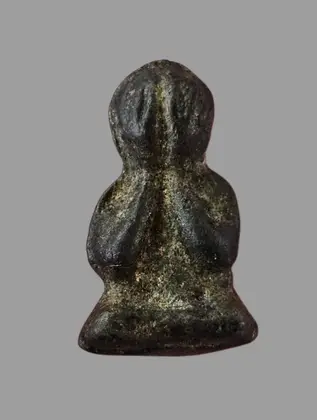
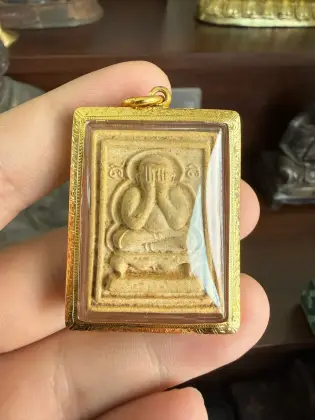
  4. *罕見* 阿贊積 2485 沈烈銀 必打

    For sale · Loi ong figures

    *罕見* 阿贊積 2485 沈烈銀 必打

    阿贊積:博他崙的僧侶、工匠與南部聖物傳統 อาจารย์แจ๊ะ 在華人市場稱為「阿贊積」,長期駐錫於博他崙府的วัดเขาแดงตะวันตก。依網站持有人指定,寺院的廣東話名稱為「屈求訂櫈運獨」,普通話名稱為「瓦考訂登溫獨」。研究及地方資料常以พระอธิการเจ็ก ฐิตธมฺโม、หลวงพ่อเจ็ก或พระอาจารย์เจ็ก記錄他,亦見เจ๊ก及掃描誤辨的เช็ก。這些異寫在本篇作為同一位師傅的檢索名稱保留;閱讀不同資料時,仍須同時核對寺院、年代與聖物系統,不能只憑近似讀音合併人物。 後期地方傳記記載,阿贊積俗名เจ็ก มะนาวี,佛曆2445年9月10日出生於博他崙府บ้านเจ็นตก,父親แดง มะนาวี,母親ชุม มะนาวี;家中六名子女,他排行第二。十歲時,他在วัดจินตาวาส剃度為沙彌,學習泰文、古高棉文及佛教基礎。這些早年細節主要出自後來整理的傳記,尚未見到同期戶籍或僧籍全文,因此較適合作為有系統的地方記錄,而非完全沒有疑點的原始檔案。 家人其後請他還俗協助生計。這段在家歲月反而擴闊了他的技藝:相傳他學習塑造、木雕、地方樂器及諾拉舞蹈(โนรา)。佛曆2467年2月13日,他在วัดจินตาวาส再次受具足戒,獲法號ฐิตธมฺโม。傳記列龍婆ดำ อินทสโร為戒師,พระครูวินัยธร ชู為羯磨師,พระอธิการขำ為教授師;「二十三歲受戒」是地方傳記的概稱,若按具體出生日期換算則仍有數月差距。 關於師承,流傳最廣的版本指他向วัดประจิมทิศาราม的龍普ทอง學習經字、傳統草藥、接骨與金屬工藝,龍普ทอง圓寂後又向龍普เมฆ ปุณณสโร續學。後期傳記亦列出วัดปากสระ的พระอาจารย์ดิษฐ์、วัดดอนศาลา的พระครูสิทธิยาภิรัต(เอียด)、วัดประดู่เรียง的龍普เล็ก,以及其他南部僧人。這些名單有助理解當時博他崙與宋卡之間的知識網絡,但目前未有一份同期授法簿足以證明每項技法的完整傳承次序。 阿贊積約在佛曆2478年離開วัดจินตาวาส,其後在วัดประดู่ทอง居住約兩年。佛曆2480年,地方信眾邀請他前往วัดเขาแดงตะวันตก;此後他一直留在該寺,並被記作寺院第四任住持。寺院位於考登山西側,遠離昔日城鎮中心;山林、洞穴與稻田構成了他修行及地方傳說的背景,但地理環境本身並不能證明任何超自然故事。 泰國研究基金支持的宋卡湖流域宗教史研究,把阿贊積列入以草藥及地方知識協助居民的南部僧人群體。地方記憶尤其強調接骨、草藥與照顧病者。這些記錄能夠說明他在正式醫療資源有限的年代所扮演的社區角色,卻不等於現代臨床證明;相關配方、療效與安全性不應脫離醫療專業而自行模仿。 同一份研究亦保存了另一個常被佛牌市場忽略的面向:阿贊積是地方藝術與文字記錄者。他擅長雕刻及裝飾棺木,並把不同棺木樣式和紋飾記入手冊,作為教授弟子的教材。他留下的筆記還包括皮影戲(หนังตะลุง)與諾拉舞蹈唱詞,其中部分段落記錄水路、船隻、市集及博他崙地方生活。這使他的遺產不只屬於聖物史,也屬於泰南表演藝術、民間工藝與地方記憶。 阿贊積開始製作聖物的確切年份,各資料寫法略有差異。學術研究引用其筆記,指出佛曆2486年、即第二次世界大戰期間物價高漲之時,他曾製作佛像及戒指等物。這個背景與當時泰南寺院為軍民提供精神支持的普遍現象相符;然而,不能因此把每一件後來歸入其名下的聖物都斷定為戰時作品。 他最具辨識度的作品,是พระปิดตากุมารในครรภ์,中文可理解為「胎中童子形必打」,民間亦稱พระในครรภ์或พระสอดเข่า。其造型並非一般盤坐必打:人物多呈蜷曲、屈膝或雙手掩面的胎兒姿勢。後期文獻把它解釋為尚在母胎、未接觸世俗煩惱的生命形象,並連結到南部流傳的阿毘達磨文本。這是宗教圖像的地方詮釋,不宜簡化成單一「功效牌」。 現存分類顯示,胎中童子形必打至少可見雙臂穿過膝間掩面、合掌或吸指姿勢,以及雙手掩面而雙腿沒有交疊等變化。常見材料為混合金屬或青銅質合金,亦見體積極小的立體版本。由於不少早期作品以蠟模、合範或古式鑄造處理,每件表面、邊線與金屬流痕可能略有差別;「不完全一樣」不等於真,「看起來很舊」也不等於真。 除必打外,學術研究與泰國佛牌協會圖錄還列出善迦財、魯士、坤平、佛像、哈努曼及槳葉形聖物等類別;部分木雕哈努曼及魯士又反映他作為雕刻者與地方工藝師的一面。不同種類跨越數十年,材質、模具和製作方式不一,不能用某一款必打的特徵去判斷全部作品。 實物辨識應先確認物件類型、聲稱年份、模具、材質與尺寸,再比較面部、手腳位置、底座、背部線條、鑄口、合模線及自然磨耗。金屬氧化應與合金和保存環境相符;木製物件則要觀察木種、刀痕、乾縮與後加色。佛曆2528年的肖像鑄像及晚期聖物,亦應與早期手製小型鑄件分開研究。驗證卡、售價與傳奇故事都不能代替可靠來源和標準實物比對。 圍繞阿贊積的傳說很多。有人說他在考登山洞中長時間閉關,亦有人說神靈或คนธรรพ์在夜間協助製作聖物。這些故事反映信眾如何理解寺院旁的山洞、工藝能力與師傅的修行形象,但目前沒有同期文件或可重複驗證的證據。把它們保留為地方信仰,比把傳說包裝成確定歷史或功效保證更合適。 阿贊積於佛曆2528年12月3日晚上約九時二十分圓寂。地方傳記記世壽八十三歲二個月二十三日、僧臘六十。這組數字與所載生卒日期大致吻合,但其生平細節仍主要依靠後期傳記、研究整理及弟子記憶,未來若發現寺院僧籍或同期手稿,仍可能補充或修正。 今日重新理解阿贊積,最有價值的地方並不是把他縮寫成「必打名師」。他同時是一位僧人、地方醫療知識的承載者、木雕與金屬工匠,以及皮影戲和諾拉文本的記錄者。收藏其聖物時,把人物、地方文化、製作工藝與後來市場傳說分開閱讀,既能減少誤認與誇張,也更接近他在博他崙社區留下的完整面貌。

    PM

    25 Oct 2026 (B.E. 2569)

    The AI translation is being prepared in the background and will appear here automatically.

  5. 阿贊積 Phra Pidta with Both Knees Crossed

    For sale · Loi ong figures

    阿贊積 Phra Pidta with Both Knees Crossed

    Ajarn เจ็ก’s Phra Pidta with interlocked knees is not only a classic sacred form of exceptional artistic value, but also a top-tier, all-round protective sacred object combining “protection from danger and misfortune, powerful preservation of wealth, and supreme personal appeal.” In particular, old metal Phra Pidta made by renowned masters of the past are often regarded as treasures with both collectible and practical value. Ajarn เจ็ก: A Monk, Craftsman, and the Sacred-Object Traditions of Southern Thailand อาจารย์แจ๊ะ is known in the Chinese-speaking market as “阿贊積” and was based for many years at วัดเขาแดงตะวันตก in Phatthalung Province. As specified by the website owner, the temple’s Cantonese name is “屈求訂櫈運獨,” and its Mandarin name is “瓦考訂登溫獨.” Research and local sources often record him as พระอธิการเจ็ก ฐิตธมฺโม, หลวงพ่อเจ็ก, or พระอาจารย์เจ็ก; the spelling เจ๊ก and the scanning misreading เช็ก also occur. These variants are retained here as search names for the same master. When consulting different sources, however, the temple, period, and sacred-object tradition must also be checked; individuals should not be conflated merely because their names sound similar. Later local biographies state that Ajarn เจ็ก’s lay name was เจ็ก มะนาวี and that he was born on 10 September B.E. 2445 in บ้านเจ็นตก, Phatthalung Province. His father was แดง มะนาวี and his mother was ชุม มะนาวี. He was the 2nd of six children. At the age of ten, he entered novice ordination at วัดจินตาวาส, studying Thai, ancient Khmer script, and the foundations of Buddhism. These early details come mainly from biographies compiled later; complete contemporary household or monastic registration records have not yet been seen. They are therefore better treated as systematic local records rather than primary archives entirely free of uncertainty. His family later asked him to disrobe to help support their livelihood. This period of lay life instead broadened his skills: he is said to have studied modelling, woodcarving, local musical instruments, and Nora dance (โนรา). On 13 February B.E. 2467, he received full monastic ordination at วัดจินตาวาส and was given the monastic name ฐิตธมฺโม. The biography names Luang Pho ดำ อินทสโร as his preceptor, พระครูวินัยธร ชู as the ordination-procedure teacher, and พระอธิการขำ as the instructing teacher. “Ordained at twenty-three” is the general description used in local biographies; calculation from his specific birth date leaves a discrepancy of several months. The most widely circulated account of his training says that he studied sacred scripts, traditional herbal medicine, bone-setting, and metalworking under Luang Pu ทอง of วัดประจิมทิศาราม, then continued his studies under Luang Pu เมฆ ปุณณสโร after Luang Pu ทอง passed away. Later biographies also list พระอาจารย์ดิษฐ์ of วัดปากสระ, พระครูสิทธิยาภิรัต (เอียด) of วัดดอนศาลา, Luang Pu เล็ก of วัดประดู่เรียง, and other southern monks. These lists help explain the knowledge networks linking Phatthalung and Songkhla at the time, but no contemporary teaching register currently establishes the complete transmission sequence for every technique. Ajarn เจ็ก left วัดจินตาวาส around B.E. 2478 and subsequently lived at วัดประดู่ทอง for about two years. In B.E. 2480, local devotees invited him to วัดเขาแดงตะวันตก. He remained there thereafter and is recorded as its fourth abbot. The temple lies on the western side of Khao Daeng, far from the former town centre. Forests, caves, and rice fields formed the setting for his practice and local legends, but the geographical surroundings do not in themselves substantiate any supernatural stories. A study of religious history in the Songkhla Lake basin supported by the Thailand Research Fund includes Ajarn เจ็ก among southern monks who helped residents through herbal medicine and local knowledge. Local memories particularly emphasize bone-setting, herbal medicine, and caring for the sick. These records illustrate his community role in a period when formal medical resources were limited, but they do not constitute modern clinical evidence. The associated formulas, therapeutic effects, and safety should not be imitated without medical professional guidance. The same study also preserves another aspect often overlooked by the amulet market: Ajarn เจ็ก was a practitioner of local arts and a keeper of written records. He was skilled in carving and decorating coffins, and recorded different coffin designs and decorative patterns in manuals used to teach his disciples. His surviving notes also include lyrics for shadow-puppet theatre (หนังตะลุง) and Nora dance, with some passages documenting waterways, boats, markets, and local life in Phatthalung. His legacy therefore belongs not only to the history of sacred objects, but also to southern Thai performing arts, folk crafts, and local memory. Sources differ slightly on the exact year in which Ajarn เจ็ก began making sacred objects. Citing his notes, academic research states that in B.E. 2486, during the price inflation of the Second World War, he made items including Buddha images and rings. This background is consistent with the wider role of southern Thai temples in providing spiritual support to soldiers and civilians at the time. It does not, however, justify identifying every sacred object later attributed to him as a wartime piece. His most distinctive work is พระปิดตากุมารในครรภ์, which can be understood as “Phra Pidta in the form of a child in the womb,” also popularly called พระในครรภ์ or พระสอดเข่า. Its form differs from an ordinary cross-legged Phra Pidta: the figure usually assumes a curled fetal posture, with bent knees or hands covering the face. Later writings interpret it as an image of life still within the mother’s womb, untouched by worldly afflictions, and connect it with Abhidhamma texts circulated in the south. This is a local interpretation of religious imagery and should not be reduced to a single-purpose “amulet for results.” Existing classifications show that this fetal-form Phra Pidta appears in at least several variations: arms passing between the knees to cover the face, hands joined in prayer or a finger-sucking pose, and hands covering the face without the legs interlocking. Common materials include mixed metals or bronze alloys, and very small three-dimensional versions also exist. Since many early pieces were made using wax models, multipart moulds, or traditional casting methods, their surfaces, outlines, and metal-flow marks may vary slightly. “Not exactly identical” does not mean genuine, and “looking very old” does not mean genuine either. Besides Phra Pidta, academic research and Thai amulet association catalogues also list Phra Sangkachai, Ruesi, Khun Phaen, Buddha images, Hanuman, and paddle-blade-shaped sacred objects. Some carved wooden Hanuman and Ruesi pieces also reflect his work as a carver and local craftsman. The different types span several decades and vary in material, mould, and production method; the characteristics of one Phra Pidta model cannot be used to judge all his works. Physical examination should begin by establishing the object’s type, claimed year, mould, material, and dimensions, then comparing the face, positions of the hands and feet, base, lines on the back, casting gate, mould seams, and natural wear. Metal oxidation should be consistent with the alloy and storage environment. Wooden objects require examination of the wood species, tool marks, drying shrinkage, and later-added colouring. Cast portrait images from B.E. 2528 and late-period sacred objects should also be studied separately from early, small, handmade castings. Verification cards, selling prices, and legends cannot replace reliable sources and comparisons with reference examples. Many legends surround Ajarn เจ็ก. Some say he spent long periods in retreat in caves on Khao Daeng; others say that deities or gandharvas (คนธรรพ์) helped make sacred objects at night. These stories reflect how devotees understood the caves beside the temple, his craftsmanship, and his image as a spiritual practitioner, but there are currently no contemporary documents or reproducibly verifiable evidence supporting them. Preserving them as local beliefs is more appropriate than presenting legends as established history or guarantees of efficacy. Ajarn เจ็ก passed away on 3 December, month 12, B.E. 2528, at approximately 9:20 p.m. Local biographies record his age as eighty-three years, two months, and twenty-three days, with sixty monastic years. These figures broadly agree with the recorded birth and death dates, but the details of his life still rely mainly on later biographies, compiled research, and disciples’ memories. Future discoveries of temple monastic registers or contemporary manuscripts may add to or revise this account. In reconsidering 阿贊積 today, what matters most is not reducing him to a “Phra Pidta master.” He was also a monk, a bearer of local medical knowledge, a woodcarver and metalworker, and a recorder of shadow-puppet theatre and Nora dance-drama texts. When collecting his sacred objects, considering the person, local culture, craftsmanship, and later marketplace legends separately can help reduce misidentification and exaggeration, while offering a fuller picture of the legacy he left in the Phatthalung community.

    HKD 10000

    23 Oct 2026 (B.E. 2569)

    AI semantic translation · the original post remains authoritative

  6. 阿贊積 必打馬哈立

    For sale · Loi ong figures

    阿贊積 必打馬哈立

    阿贊積:博他崙的僧侶、工匠與南部聖物傳統 อาจารย์แจ๊ะ 在華人市場稱為「阿贊積」,長期駐錫於博他崙府的วัดเขาแดงตะวันตก。依網站持有人指定,寺院的廣東話名稱為「屈求訂櫈運獨」,普通話名稱為「瓦考訂登溫獨」。研究及地方資料常以พระอธิการเจ็ก ฐิตธมฺโม、หลวงพ่อเจ็ก或พระอาจารย์เจ็ก記錄他,亦見เจ๊ก及掃描誤辨的เช็ก。這些異寫在本篇作為同一位師傅的檢索名稱保留;閱讀不同資料時,仍須同時核對寺院、年代與聖物系統,不能只憑近似讀音合併人物。 後期地方傳記記載,阿贊積俗名เจ็ก มะนาวี,佛曆2445年9月10日出生於博他崙府บ้านเจ็นตก,父親แดง มะนาวี,母親ชุม มะนาวี;家中六名子女,他排行第二。十歲時,他在วัดจินตาวาส剃度為沙彌,學習泰文、古高棉文及佛教基礎。這些早年細節主要出自後來整理的傳記,尚未見到同期戶籍或僧籍全文,因此較適合作為有系統的地方記錄,而非完全沒有疑點的原始檔案。 家人其後請他還俗協助生計。這段在家歲月反而擴闊了他的技藝:相傳他學習塑造、木雕、地方樂器及諾拉舞蹈(โนรา)。佛曆2467年2月13日,他在วัดจินตาวาส再次受具足戒,獲法號ฐิตธมฺโม。傳記列龍婆ดำ อินทสโร為戒師,พระครูวินัยธร ชู為羯磨師,พระอธิการขำ為教授師;「二十三歲受戒」是地方傳記的概稱,若按具體出生日期換算則仍有數月差距。 關於師承,流傳最廣的版本指他向วัดประจิมทิศาราม的龍普ทอง學習經字、傳統草藥、接骨與金屬工藝,龍普ทอง圓寂後又向龍普เมฆ ปุณณสโร續學。後期傳記亦列出วัดปากสระ的พระอาจารย์ดิษฐ์、วัดดอนศาลา的พระครูสิทธิยาภิรัต(เอียด)、วัดประดู่เรียง的龍普เล็ก,以及其他南部僧人。這些名單有助理解當時博他崙與宋卡之間的知識網絡,但目前未有一份同期授法簿足以證明每項技法的完整傳承次序。 阿贊積約在佛曆2478年離開วัดจินตาวาส,其後在วัดประดู่ทอง居住約兩年。佛曆2480年,地方信眾邀請他前往วัดเขาแดงตะวันตก;此後他一直留在該寺,並被記作寺院第四任住持。寺院位於考登山西側,遠離昔日城鎮中心;山林、洞穴與稻田構成了他修行及地方傳說的背景,但地理環境本身並不能證明任何超自然故事。 泰國研究基金支持的宋卡湖流域宗教史研究,把阿贊積列入以草藥及地方知識協助居民的南部僧人群體。地方記憶尤其強調接骨、草藥與照顧病者。這些記錄能夠說明他在正式醫療資源有限的年代所扮演的社區角色,卻不等於現代臨床證明;相關配方、療效與安全性不應脫離醫療專業而自行模仿。 同一份研究亦保存了另一個常被佛牌市場忽略的面向:阿贊積是地方藝術與文字記錄者。他擅長雕刻及裝飾棺木,並把不同棺木樣式和紋飾記入手冊,作為教授弟子的教材。他留下的筆記還包括皮影戲(หนังตะลุง)與諾拉舞蹈唱詞,其中部分段落記錄水路、船隻、市集及博他崙地方生活。這使他的遺產不只屬於聖物史,也屬於泰南表演藝術、民間工藝與地方記憶。 阿贊積開始製作聖物的確切年份,各資料寫法略有差異。學術研究引用其筆記,指出佛曆2486年、即第二次世界大戰期間物價高漲之時,他曾製作佛像及戒指等物。這個背景與當時泰南寺院為軍民提供精神支持的普遍現象相符;然而,不能因此把每一件後來歸入其名下的聖物都斷定為戰時作品。 他最具辨識度的作品,是พระปิดตากุมารในครรภ์,中文可理解為「胎中童子形必打」,民間亦稱พระในครรภ์或พระสอดเข่า。其造型並非一般盤坐必打:人物多呈蜷曲、屈膝或雙手掩面的胎兒姿勢。後期文獻把它解釋為尚在母胎、未接觸世俗煩惱的生命形象,並連結到南部流傳的阿毘達磨文本。這是宗教圖像的地方詮釋,不宜簡化成單一「功效牌」。 現存分類顯示,胎中童子形必打至少可見雙臂穿過膝間掩面、合掌或吸指姿勢,以及雙手掩面而雙腿沒有交疊等變化。常見材料為混合金屬或青銅質合金,亦見體積極小的立體版本。由於不少早期作品以蠟模、合範或古式鑄造處理,每件表面、邊線與金屬流痕可能略有差別;「不完全一樣」不等於真,「看起來很舊」也不等於真。 除必打外,學術研究與泰國佛牌協會圖錄還列出善迦財、魯士、坤平、佛像、哈努曼及槳葉形聖物等類別;部分木雕哈努曼及魯士又反映他作為雕刻者與地方工藝師的一面。不同種類跨越數十年,材質、模具和製作方式不一,不能用某一款必打的特徵去判斷全部作品。 實物辨識應先確認物件類型、聲稱年份、模具、材質與尺寸,再比較面部、手腳位置、底座、背部線條、鑄口、合模線及自然磨耗。金屬氧化應與合金和保存環境相符;木製物件則要觀察木種、刀痕、乾縮與後加色。佛曆2528年的肖像鑄像及晚期聖物,亦應與早期手製小型鑄件分開研究。驗證卡、售價與傳奇故事都不能代替可靠來源和標準實物比對。 圍繞阿贊積的傳說很多。有人說他在考登山洞中長時間閉關,亦有人說神靈或คนธรรพ์在夜間協助製作聖物。這些故事反映信眾如何理解寺院旁的山洞、工藝能力與師傅的修行形象,但目前沒有同期文件或可重複驗證的證據。把它們保留為地方信仰,比把傳說包裝成確定歷史或功效保證更合適。 阿贊積於佛曆2528年12月3日晚上約九時二十分圓寂。地方傳記記世壽八十三歲二個月二十三日、僧臘六十。這組數字與所載生卒日期大致吻合,但其生平細節仍主要依靠後期傳記、研究整理及弟子記憶,未來若發現寺院僧籍或同期手稿,仍可能補充或修正。 今日重新理解阿贊積,最有價值的地方並不是把他縮寫成「必打名師」。他同時是一位僧人、地方醫療知識的承載者、木雕與金屬工匠,以及皮影戲和諾拉文本的記錄者。收藏其聖物時,把人物、地方文化、製作工藝與後來市場傳說分開閱讀,既能減少誤認與誇張,也更接近他在博他崙社區留下的完整面貌。

    港幣10000

    23 Oct 2026 (B.E. 2569)

    The AI translation is being prepared in the background and will appear here automatically.

  7. Wat Bueng Phraya Suren Phra Phong Ha Phak (Five-Faced Buddha), B.E. 2451

    For sale · Powder & clay

    Wat Bueng Phraya Suren Phra Phong Ha Phak (Five-Faced Buddha), B.E. 2451

    🔥 **A century-old classic · green sacred powder said to offer protection from weapons** 🔥 **B.E. 2451 (1908), Wat Bueng Phraya Suren Phra Phong Ha Phak (Five-Faced Buddha)** If you are looking for a century-old amulet with a long history, a lineage said to descend from Somdet Phra Phutthachan (To) of Wat Rakhang, and a reputation for protection from weapons and danger, this century-old Wat Bueng Phraya Suren Somdej amulet is presented as a choice for knowledgeable collectors. ✨ **Four reasons given for collecting this amulet** 1️⃣ **Made under the direction of a military leader and a highly respected monk** Phraya Suren, a well-known military leader during the reign of King Rama V, personally prepared a special protective sacred powder and invited his mentor, Luang Pu Thong of Wat Ratchayotha, to preside over the consecration. Luang Pu Thong is described as a direct disciple of Somdet Phra Phutthachan (To) and a monk of profound spiritual attainment. The listing says the amulet carries on the traditional sacred-powder methods of earlier generations. 2️⃣ **Distinctive green sacred powder (เนื้อผงเขียว)** Unlike the more commonly seen white-powder amulets, this edition is known for its distinctive greenish-blue material. It was pressed from a mixture of various traditional herbs (wan), consecrated powder and special sacred ingredients. After more than a hundred years, the surface is said to have developed natural patina and shrinkage lines from weathering, giving it an aged appearance. The listing describes its condition as excellent. 3️⃣ **Hand-inscribed yantra on the back (หลังจาร)** The back bears an old yantra said to have been drawn by Phraya Suren himself. The inscription is clear, and the listing presents it as evidence of the amulet’s age and identity. 4️⃣ **Legendary accounts from the Indochina War** During World War II and the Indochina War (B.E. 2483–2485), accounts of soldiers wearing this amulet and surviving bullets and bladed weapons are said to have been recorded repeatedly. The listing describes it as one of the leading old amulets in the Kong Krapan (protection from weapons and danger) category in the Thai amulet world. 📌 **Attributed benefits** 🛡️ **Protection and safety:** Warding off misfortune and danger, legal troubles and ill-wishers, and helping overcome dangerous situations. 💼 **Wealth and career:** Phra Somdej is described as the king of amulets and as bringing good fortune, career support, wealth and blessings. 🤝 **Helpful connections and popularity:** The listing says its herbal ingredients and powder consecrated by Luang Pu Thong enhance popularity and loving-kindness (Metta Mahaniyom). **Condition:** Complete, with natural patina and a clear hand-inscribed yantra.

    PM

    22 Oct 2026 (B.E. 2569)

    AI semantic translation · the original post remains authoritative

  8. AI semantic translation · the original post remains authoritative

  9. 托屐祖師 Ten-Faced Tiger Oil

    For sale · Khrueang rang

    托屐祖師 Ten-Faced Tiger Oil

    The Legendary Sacred Oil Series of 托屐祖師 From the ancient lineage passed down by 托屐祖師 Origin: the esoteric magical tradition of 屈求柯 (ตักศิลาเขาอ้อ) Ghost Tiger Sacred Oil is a sacred oil made primarily from เสือสมิง (舍十面), the ghost tiger. It is believed that the ghost tiger possesses magical power and imposing authority surpassing all other tigers, because it is a tiger endowed with the spiritual heat of ascetic practice (ตบะ) and possessed by an evil spirit. Mysterious Background and Reasons for Its Creation According to ancient legends, ghost tigers (舍十面) can be male or female. All ghost tigers, regardless of sex, have unusually thick fur that grows backward and stands upright, giving them an extremely intimidating appearance. These tigers do not hunt during the day; they emerge only late at night and feed mainly on human flesh. People therefore believe that human souls often possess these tigers, and that over time they acquire powers through spiritual cultivation, even becoming able to assume human form. Subduing a ghost tiger is beyond the ability of ordinary people. Only those truly accomplished in magic and incantations can undertake it. They must be thoroughly familiar with tiger-catching techniques, establishing protective boundaries in the forest, and sealing the spiritual energies of the mountains and forests. Several spirit-medium forest hunters must also be assembled to hunt it together. Once a ghost tiger has been successfully hunted, Ghost Tiger Sacred Oil is extracted from its body. It is then blended with sacred oils from various other tigers to serve as its attendant spirits, after which various supernatural plants (ว่านอาถรรพ์) are added and simmered together. The oil is then consecrated in a cemetery, where mountain spirits, ghosts, and spirits of the dead are summoned into it. Incantations are then used to seal their spiritual powers within the oil, finally producing this bottle of powerful “Ghost Tiger Sacred Oil.” In the border forests of southern Thailand, a little-known legend once circulated. It is a story involving a fierce beast, incantations, pure silver bullets, and a blood pact—the origin of “Ghost Tiger Sacred Oil น้ำมันเสือสมิงพราย.” The legendary ghost tiger, “เสือสมิงพราย” (literally: ghost tiger), is no ordinary wild animal. Originally a mountain tiger, it devoured countless human souls and eventually transformed, amid human resentment and the energies of the wilderness, into a being part tiger, part ghost, and part human. Legend says that this kind of ghost tiger can take human form, slip between villages, lure prey with its enchanting aura, and devour human souls to sustain its life indefinitely. On nights of the dark moon, villagers often heard strange, low growls, resembling a tiger yet not quite a tiger. Missing hunters and travelers who ventured out at night were commonly thought to be its victims. This beast could not be overcome by human strength, and ordinary bullets could not penetrate its body. Only weapons endowed with magical power could subdue it. 托屐祖師’s Battle to Hunt the Spirit In Satun Province in southern Thailand, a remote village lay deep within the border forest. Ancient and mysterious, this forest was shrouded in thick mist and shadows throughout the year and was known locally as the “Ghost Tiger Forest.” For generations, the villagers had lived by hunting and farming, in harmony with nature. However, beginning one year, a series of inexplicable incidents occurred: livestock disappeared without cause, hunters failed to return, and eerie, low growls sounded at night. The villagers gradually realized that the legendary “ghost tiger” (เสือสมิงพราย) might be responsible. The ghost tiger was said to be a fierce beast that devoured human souls, could assume human form, and slipped between villages, luring prey with its enchanting aura. The villagers lived in constant anxiety and fear. To protect their homes, they decided to invite 托屐祖師, a ritual master who was highly renowned at the time, to travel from afar and subdue the ghost tiger. 托屐祖師 accepted their invitation and came to the village. Together with several other ritual masters and forest-practicing ruesi hermits, he ventured deep into the Ghost Tiger Forest, setting up a ritual altar and protective boundary in preparation for a confrontation of souls and power with the ghost tiger. This battle concerned not only the villagers’ safety but also a contest between good and evil. That night, the border forest of Satun Province was enveloped in thick mist and darkness. Heavy clouds filled the sky, and the moonlight appeared only intermittently. 托屐祖師 led several locally renowned ritual masters and ruesi who had spent many years practicing in forest seclusion into the forbidden area known as the “Ghost Tiger Forest.” Besides 托屐祖師, the group included the white-robed ritual master 阿贊素貼, an expert in southern magical traditions; the ritual master 婆吞猜, known for his talismanic seals; and two mysterious ruesi who had long practiced austerities deep in the forest: 魯士卡瑪 and 魯士翁巴特. These accomplished practitioners had gathered specifically to confront the terrifying ghost tiger. They reached a clearing in the forest and, under the leadership of 托屐祖師, established a triangular spirit-subduing formation, taking positions at its three points. 阿贊素貼 traced a talismanic formation with his ritual staff, while 婆吞猜 chanted spirit-subduing incantations to strengthen its protection. 魯士卡瑪 and 魯士翁巴特 lit a sacred fire with sacred herbs and leaves, then sat in meditation beside the altar, channeling the spiritual energies of the mountains and forest into it. Before long, an eerie wind swept through, and the surrounding temperature dropped sharply. A deep tiger’s growl sounded in the forest, a dark shape flashed past, and the ghost tiger suddenly appeared before them. Its eyes glowed red, and the malevolent aura of its spirit enveloped the entire clearing. 托屐祖師 remained composed and quietly instructed everyone to prepare. 阿贊素貼 immediately shook his ritual bell, 婆吞猜 recited incantations to protect the altar, and the two ruesi raised the burning embers, making the sacred fire flare and scatter into a barrier of flames in an attempt to trap the ghost tiger. But the ghost tiger possessed extraordinary magical power. It leaped fiercely against the protective boundary, causing the formation to shake violently for a moment. Remaining calm, 托屐祖師 swiftly raised a hunting gun covered in talismanic markings and fired the first pure silver bullet, engraved with talismanic markings, at the ghost tiger. At the same time, he loudly recited the subjugation incantation: “นะโมมหาปราบ……” The silver bullet struck the ghost tiger’s left front leg, but instead of being driven back, it became even more enraged, its roar echoing throughout the forest. Seeing this, 阿贊素貼 quickly thrust his ritual staff into the ground to stabilize the formation, while 婆吞猜 immediately recited protective scriptures in an effort to suppress the ghost tiger’s malevolent energy. However, the ghost tiger’s power was too great. Black mist surged up, fierce winds swept across the ground, and the surrounding trees seemed about to be uprooted. The protective boundary was on the verge of collapse. At this critical moment, 魯士卡瑪 and 魯士翁巴特 stood up, raised the burning herbs in both hands, and chanted together: “โอม ป่าเทพ จงพิทักษ์เรา” (“Om, gods of the mountains and forest, please protect us!”). At that moment, a warm, steady energy from the mountains and forest flowed into the formation, restoring the protective boundary. Seeing that the moment was right, 托屐祖師 immediately loaded the second silver bullet and rapidly recited an incantation invoking the Buddha’s power to sever thought: “พุทธะปะคะวันตัง……” A gunshot rang out, and the silver bullet struck the ghost tiger squarely in the abdomen. Thick black mist burst violently from its body, and the shadows of wronged souls scattered and whirled in all directions. The ghost tiger struggled in fury, violently battering the protective boundary as it tried to break free. At the final moment, 托屐祖師 calmly took out the third silver bullet, raised the hunting gun once more, and loudly recited the spirit-pacifying mantra: “จิตวิญญาณจงสงบ……” Accompanied by a dazzling golden light, the bullet flew through the air and struck the ghost tiger directly between the brows. These three bullets represented “breaking the form, severing thought, and pacifying the soul.” In an instant, the entire forest fell silent. With one wild roar, the ghost tiger collapsed heavily to the ground, its evil spirit completely subdued. The surrounding black mist receded like a tide. The ritual masters and ruesi breathed a sigh of relief and nodded to one another. 托屐祖師 stepped forward and used a kris dagger to trace spirit-subduing talismans on the tiger’s carcass. He recited the “Spirit-Subduing Incantation” to complete the seal, firmly confining the ghost tiger’s spirit, and used its spiritual essence, flesh, blood, skin, and fur to make the sacred oil that later generations would celebrate as “Ghost Tiger Sacred Oil.” From then on, peace returned to the forests of Satun Province. This spirit-hunting battle, fought jointly by the ritual masters, also became a celebrated tale passed down for a hundred years, remaining forever in the villagers’ memories. This legend is still told in Satun Province today. It has become part of the local culture and reminds people to hold nature and the spirit world in reverence. After shooting and killing the ghost tiger, 托屐祖師 did not simply use its flesh and blood as ingredients for the sacred oil. In fact, the true spiritual potency of Ghost Tiger Sacred Oil comes from the combination of five souls and five roots, five fragrances and five fires within the complete preparation formula. Everything must be personally gathered, personally chanted over, and personally blended. Even the slightest error will prevent the spiritual potency from coming together. The main core ingredients of Ghost Tiger Spirit Oil are as follows: 1. Tiger Heart Blood Essence Within thirty minutes of the tiger being killed, blood is drawn from its heart using a silver needle. This is not blood-red blood, but a green “essence” mingled with soul energy, serving as the oil’s primary medium for the spirit. 2. Five-Spirit Forest Roots These come from five forest plants: ghostwood root, night-shadow vine, wind-guiding wood, agarwood root, and fire-tail bamboo. Patriarch 托屐 gathers them in the forest on a full-moon night, chanting incantations as they are collected to seal in their spiritual energy. Their functions are to stabilize the soul, suppress harmful forces, and open energy channels. 3. Black Shadow Spirit Charcoal The ghost tiger’s tailbone and fur are burned using mai takhian wood (Hopea odorata) as fuel, reducing the tail to black ash and charcoal. This is the spirit oil’s “fire mark,” with the function of sealing and controlling spirits. Faintly glowing red streaks often appear in the ash, signifying that the soul-refining fire has not gone out. 4. Agarwood-Infused Animal Fat Oil Fat taken from the tiger’s abdomen is slowly rendered over agarwood, then combined with ambergris and single-eyed coconut oil. This thick oil primarily suppresses the odor of the tiger’s blood, flesh, skin, and fur while retaining its spiritual essence for a long time, forming the spirit oil’s main base. 5. Yellow Talisman Silver Powder Silver used at the ritual altar undergoes talisman inscription, burning, and grinding into a fine powder. It is added to the oil to “break form” and “subdue the soul.” Silver is inherently yang within yin and possesses the power to suppress and control ghosts. 6. Seven-Treasure Copper Wire The tiger’s claws are bound and sealed with seven-treasure copper wire and added to the spirit oil. The wire must be blessed through chanting by monks from seven temples, specifically to “lock in the soul so it cannot escape and make the spirit submit.” 7. Mountain Deity Honey This is wild honey offered by elders who worship mountain deities. It can only be used after being placed as an offering at a mountain-forest shrine for seven days. Its function is to balance the fierce, harmful energy in the oil, keeping it forceful without running out of control. Each ingredient is not only rare but must also be collected and used in accordance with specific celestial configurations, times, incantations, and offering rituals. It is precisely because Ghost Tiger Spirit Oil combines the dual powers of the “soul of a fierce beast” and the “energy of the mountain forest” that it is called Mountain Spirit Soul-Refining Oil, a work of soul hunting and sealing. The spirit oil is sealed in a copper container and wrapped in tiger skin, then consecrated and blessed through chanting by Patriarch 托屐, together with several monks and ritual masters. The entire oil-making process takes nine days and nine nights, while the blessing and consecration take nine years to dispel the ghost tiger spirit’s resentment and murderous energy. Effects of the Spirit Oil: Dispelling Harmful Forces · Commanding Presence · Subduing Opponents Ghost Tiger Spirit Oil is not an ordinary popularity-enhancing oil. It is a high-level spirit oil for overcoming opponents, protecting its owner, enhancing authority, and opening the way. Commanding the situation: Applied to the center of the forehead or the wrists, it can strengthen one’s aura and overpower an opponent’s presence, making it suitable for negotiations and competitive situations. Dispelling harmful forces and expelling evil: Because the oil carries the spiritual energy of the subdued ghost tiger, it can counter ordinary curses, ghosts, and evil sorcery. Protecting the wearer and restraining opponents: Particularly suitable for people who travel through places associated with yin energy or at night, it can protect its owner from interference by evil spirits. Enhancing charm and an intimidating presence: The ghost tiger was once an enchanter. Once transformed, its residual energy can create a “hidden attraction,” often drawing people unconsciously to the user while also inspiring awe. Methods of Use and Spiritual Effects 1. Wearing it can bring great spiritual authority and presence, inspiring awe and imparting an inherent air of authority and mysterious energy. Wear it in a small bottle or talisman tube. Fill a small bottle with the spirit oil and carry it around the neck or hang it at the waist. Take it out to apply whenever needed, or keep it close to the body for protection. 2. It can be used as a charm-enhancing ritual object to improve popularity and approachability and attract others’ affection. 3. It can serve as a protective spiritual object to resolve various dangers and difficulties, avert risks, ward off harmful forces, and keep one safe and unharmed. 4. Applying it to the body can enhance personal charm and spiritual presence, strengthen the aura, help turn one’s luck around, and support one’s destiny. Apply directly to the body: Center of the forehead, between the eyebrows: Strengthens the aura, increases attraction, and calms emotions. Behind the ears and at the back of the neck: Enhances personal charm and popularity, particularly suitable when seeking others’ attention or smoother communication. Inner wrists: Increases confidence and approachability, with especially good effects when shaking hands and interacting with others. Chest, over the heart: Stabilizes emotions and state of mind, protecting against negative energy or interference from sorcery. 5. Apply to important belongings. For wealth: Apply to a wallet, cash box, or cash register to attract financial luck and safeguard accumulated wealth. For popularity: Dab a drop onto business cards or documents to effectively increase others’ favorable feelings toward you. 6. Enshrining it at home can defend against black magic and curses, cutting off intruding sorcery. Sprinkle around residential or business premises. Sprinkle a few drops at the entrance to your home or shop: This can effectively disperse negative energy, enhance financial luck, and attract people. Sprinkle a little on a desk or within a business space: This increases the likelihood of successful negotiations and business opportunities. 7. It brings blessings for charm and financial luck. Simply carrying it with you can naturally attract opportunities and good fortune. 8. It can be used to pray for whatever one personally needs. Raise the oil bottle and pray sincerely to activate its spiritual power. People in ancient times described it as having “endless applications, 108 in all.” 9. It can foretell disasters and warn of danger. If something unexpected is about to happen, the spirit within the oil will provide a warning through prophetic dreams or intuitive impressions, helping one avert disaster and escape danger. 10. It can be used for arousal and love magic. For example, applying it to a loved one’s body or photograph can awaken deep love and affection in that person, keeping their heart constantly attached. 11. Protective use: Gently apply the spirit oil to a Buddhist amulet, protective talisman, or other ritual object to strengthen its protective power. Precautions and Taboos When Using the Spirit Oil: Do not bring Ghost Tiger Spirit Oil into: Exorcism rituals or chanting ceremonies for expelling spirits, as these will weaken and diminish the ghost tiger’s spiritual power within the oil. Do not use it carelessly in dirty places or disrespectful situations: For example, do not leave it in a bathroom for long periods or on the floor where people frequently step over it, to avoid damage to its spiritual power. Do not use it with the intention of harming others or for improper purposes, to avoid a backlash. Suggested Offerings If you wish to set up an altar for worship, you may prepare: Grilled meat, grilled chicken, grilled chicken liver, grilled intestines, offal, or raw meat are all acceptable. Prepare them according to your preference. This spirit oil is one of the few oils Patriarch 托屐 made from a powerful spirit during his lifetime. Every drop holds a mountain-forest legend and a pact with the spirit world. If you are fortunate enough to encounter it, treat it with reverence and remember: this is no ordinary spirit oil, but a tiger spirit that once took human form, sleeping quietly in a bottle, waiting once again to resonate with its owner’s aura and unleash its astonishing power. The blessing mantra will be sent separately after the item is acquired.

    HKD 1200

    21 Oct 2026 (B.E. 2569)
    AI semantic translation · the original post remains authoritative

  10. AI semantic translation · the original post remains authoritative

  11. AI semantic translation · the original post remains authoritative

  12. Phra Maha Di, First Edition, Khun Paen Maha Phai (yantra inscriptions on the front, back, left, and right)

    For sale · Powder & clay

    Phra Maha Di, First Edition, Khun Paen Maha Phai (yantra inscriptions on the front, back, left, and right)

    Phra Maha Dee: Lineage and Life Story, and First Edition Khun Paen At the well-known ancient temple Wat Bot Intharasan Phet in the “Phasi Charoen” district of Bangkok, Thailand, there is a young monk held in high regard by devotees: Phra Maha Dee (Phra Maha Dee / Phra Kru Palad Nattawat). Although he is based in Bangkok, the roots of his spiritual lineage are deeply embedded in Rayong, a major Thai amulet-making center. Through the classical Rayong powder-making tradition he inherited and his rigorous practice, he has become one of the most representative contemporary monks who oversee the making of sacred objects for popularity and wealth. Devotees in Bangkok and the amulet community also respectfully call him a “master of Pong Phai.” The Life and Practice Lineage of Venerable Phra Maha Dee Ordination in Childhood and Pali Scholarship Phra Maha Dee was born in Rayong Province, Thailand, and from a young age showed a deep affinity with Buddhism and spiritual practices. At the age of seven, he was ordained as a novice in Rayong, formally beginning his monastic life. Phra Maha Dee had exceptional aptitude. While still young, he passed the highly difficult advanced Pali examination and was awarded the monastic title “Phra Maha.” Phra Maha Dee’s passion for spiritual practices and incantations came from his paternal grandfather, the legendary lay ascetic Ajarn Phu Chai of Rayong. * A legendary lineage: During his lifetime, Grandfather Phu Chai was a disciple of the venerable Luang Pho Dae (Wat Sam Ngam), as well as a direct disciple of Luang Pho Tim (Wat Lahan Rai), the great monk of the Phraipong Kuman powder tradition in Rayong. When Luang Pho Tim made the “Phraipong Kuman powder,” which caused a sensation throughout Thailand, Grandfather Phu Chai took part throughout the gathering and grinding of the ingredients and the consecration process. * Passing on all his knowledge: Grandfather Phu Chai passed on to Phra Maha Dee without reservation the secret incantations, healing practices, and essential methods for making Phai powder that he had learned over his lifetime. This laid the purest and strongest foundation for Phra Maha Dee’s later work overseeing the making of Pong Phai sacred objects. Ordination Preceptor and Visits to Renowned Masters When Phra Maha Dee reached adulthood and received full ordination, his preceptor was Phra Khru Worawiwat of Wat Nong Krab, a renowned master associated with the lineage of Luang Pho Sakorn. Phra Maha Dee was eager to learn and visited many renowned Thai monks and lay ascetics to study their specialized practices, including Luang Pu Sueng (Wat Lahan Yai), Luang Pu Dan (Wat Pak Kage), Luang Pu Kham Khun (Wat Ratchanadda), Luang Pho Chae (Wat Sam Yaek), Chao Khun Udom (Wat Tam Saeng Phet), Luang Pho Phan (Wat Phutthai Sawan), Phra Khru Nong (Wat Ratchado), Luang Ta Charoen (Wat Dong Mai Yai), and Luang Pu Jing (Wat Ratchanadda), among others. Specialized Practices and the Legendary “Powder of Nine Pregnant Women” Phra Maha Dee’s areas of expertise include Sani (exceptional charm), Metta (kindness and popularity), trade and business, attracting and accumulating wealth, protection from danger and evil, as well as Phai powder methods and spiritual healing. Among the most notable materials in his possession is “powder from nine pregnant women who died unexpectedly.” The sacred powder associated with these nine spirits was gathered from three periods and three regions: Buriram Province (women 1–3; passed on by his grandfather, Phu Chai): Mae Champa, Mae Phan, and Mae Mali. The sacred powder from these three women was gathered and passed down by Phra Maha Dee’s paternal grandfather, the lay ascetic Phu Chai. At the time, Phu Chai studied the making of “Pong Phai Kuman powder” under the legendary Rayong monk Luang Pho Tim (Wat Lahan Rai), and took part in rites to release the spirits of these three pregnant women who had died unexpectedly and collect materials for sacred objects in Buriram Province in northeastern Thailand. This is the oldest batch of Phai powder, with the deepest accumulation of spiritual power. Ubon Ratchathani Province (women 4–6; obtained when he was a young novice): Mae Langtan, Mae Maemum, and Mae Kaew. Phra Maha Dee obtained the sacred powder from these three women while traveling with his master during his novice years. Rayong Province (women 7–9; obtained in Buddhist Era 2560): Mae Champu, Mae Son, and Mae Dahara. Phra Maha Dee purified and consecrated these Phai powders through Buddhist practice, transforming them into positive forces intended to protect devotees and bring particularly strong popularity and good fortune. Overseeing the Making of the First Edition Khun Paen This Khun Paen amulet is the “First Edition Khun Paen,” conceived and designed by Phra Maha Dee himself, who oversaw the entire production at Wat Bot Intharasan Phet in Bangkok. Purpose of production (merit-making for temple construction): Phra Maha Dee specially oversaw the making of this edition to raise funds for the temple’s development, to build accommodation and meditation rooms for monks at Wat Bot Intharasan Phet and improve the conditions for monastic practice. Thus, wearing an amulet from this edition not only brings the protection of a sacred object but also carries the great merit of supporting the spread of Buddhism through temple construction. The First Edition Khun Paen’s Luxurious Array of Sacred Materials To ensure that the First Edition Khun Paen possessed outstanding spiritual power and efficacy, Phra Maha Dee used rare sacred materials that he had accumulated over many years. The array is exceptionally unusual: Three legendary monks and top-grade sacred powders: Luang Pho Tim (Wat Lahan Rai): Somdej sacred powder, Phraipong Kuman powder, and popularity salve. Luang Pho Dae (Wat Sam Ngam): Kuman Thong sacred powder. Luang Pho Chong (Wat Na Tang Nok): Kuman Thong sacred powder. Luang Pho Kaeo (Wat Lahan Rai): Phra Pidta sacred powder and Somdej sacred powder. Luang Pho Sakorn (Wat Nong Krab): Khun Paen sacred powder and Kuman Phai powder. Ajarn Pleng Boonyeun: powder from 59 spirits and Kuman sacred powder. Ajarn Chum Chaiyakiri: various popularity powders and popularity oil. Thailand’s foremost popularity salve and special beeswax: Luang Pho Tha (Wat Krabok Khuen Phueng): Thailand’s foremost green popularity salve. Luang Pho Phensuai (Wat Sanom Lao): nun sacred powder. Luang Pho Ha (Wat Chum Saeng): fruit-ground sacred powder. Luang Pho Sitsun (Wat Kuhasawan): Somdej sacred powder. Luang Pho Chi (Wat Krasae Kuhasawan): Khun Paen sacred powder. Luang Pho Khuan (Wat Takian Thong): Somdej sacred powder. Luang Pho Yong (Wat Khao Talat): Yod Khun Phon sacred powder. Luang Pho Kham (Wat Wang Wa): sacred powder. Luang Pho Kho (Wat Chak Mak): scripture powder. Luang Pho Chuan (Wat Mab Kha): sacred powder. Luang Pho Phan (Wat Ban Na): sacred powder. Luang Pho Rai (Wat Tha Ruea): sacred powder. Luang Pho Dam (Wat Pa Sri Mongkol): Phraipong Kuman powder Sacred powders with spiritual potency and a wide variety of herbs: Powder from nine pregnant women; more than 50 types of Phi Kumarn powder made by masters from different regions; powder from 13 female spirits; more than 30 types of sacred-mother spirit powder; Mae Lian incense powder; 40 types of Maha Thewi (great charm) sacred powder; Yan Thong sacred powder; sacred powder from the Golden-Faced Deity tradition; 108 types of natural herbal powder; and Somdej and popularity powders sponsored by several contemporary senior monks, among others. This “First Batch Khun Paen” brings together the essence of Phong Phrai powders associated with master teachers from different eras, including Luang Pu Tim, Luang Pho Tae and Ajarn Pen. It was personally designed and consecrated by Phra Maha Thi. It is truly a sacred object made with the master’s sincere intention, and is also a Buddha amulet said to have powerful effects for popularity, charm and business fortune, as well as the great merit of building a temple and supporting the monastic community.

    PM

    20 Oct 2026 (B.E. 2569)

    AI semantic translation · the original post remains authoritative

  13. Luang Phor Thong Dam, First Edition, Earthquake Somdej, Large Mold

    For sale · Powder & clay

    Luang Phor Thong Dam, First Edition, Earthquake Somdej, Large Mold

    🔥 A legendary sacred object from a northern temple: Luang Phor Thong Dam, Wat Tha Thong, B.E. 2513 “Earthquake Somdej” 🔥 Among the renowned senior monks of Uttaradit in northern Thailand, Luang Phor Thong Dam is famous throughout Thailand and highly regarded for his spiritual practice. His lineage traces back to the legendary monk Luang Pu Ngern of Wat Bang Khlan, and he strictly observed the precepts throughout his life. Of the many sacred objects made by Luang Phor Thong Dam, the classic piece most sought after by collectors and associated with numerous accounts of efficacy is this First Edition B.E. 2513 “Earthquake Somdej.” The origin of the sacred object: the legendary “Earthquake Somdej” This Somdej is called “Earthquake Somdej” (Phra Somdej Phaen Din Wai) because of a remarkable story associated with it. In B.E. 2513 (1970), while the consecration ceremony for this batch of amulets was taking place at the temple, an actual earthquake occurred in the area. Those present felt strong shaking, yet, remarkably, the temple buildings and the ceremony site were completely unharmed. Even more remarkably, the devotees who attended the ceremony and witnessed the event later spoke highly of the efficacy of these sacred objects. The master therefore named this edition “Earthquake Somdej,” signifying its powerful protective force: “steadfast as a mountain, resisting danger and turning peril into safety.” Exceptional and carefully selected materials The B.E. 2513 Earthquake Somdej is not only famous; its materials were also selected with great care. It was made by pressing together various precious sacred substances, including: • Seven auspicious sacred herbs and sacred powder • Sacred soil from seven sacred sites • Sacred clay from beneath the principal Buddha image in the temple’s main hall • Powdered boundary stones (ไคลเสมา) from seven ancient temples • Soil from the Four Buddhist Holy Sites in India • Fragments of old amulets and sacred powder • Precious betel-nut residue (ชานหมาก) left over from Luang Phor Thong Dam’s own consecration • The locally renowned sacred metal “Lek Nam Phi” (เหล็กน้ำพี้) ⚡ An outstanding consecration assembly In addition to being personally consecrated by Luang Phor Thong Dam over an extended period, this First Edition Somdej was also specially invited to be consecrated together with the First Edition memorial edition of Phraya Phichai Dap Hak, at a ceremony that caused a sensation throughout Thailand at the time. The grand ceremony brought together numerous legendary senior monks from across Thailand, including Luang Phor Thim of Wat Lahan Rai, Luang Pu Ngern of Wat Bang Yikhan, Luang Phor Phloi, and Luang Phor To of Wat Bang Pla Thong, along with hundreds of other masters. The assembly was impressive, and its spiritual power is described as being guaranteed to be top-tier. 💎 Collecting and wearing value Market standing: This sacred object is regarded as one of the legendary Somdej amulets from northern Thailand with considerable collectible value and regional significance. It is scarce in circulation, and well-preserved examples are particularly hard to find. Comprehensive benefits: With the all-purpose protection of the Somdej Buddha and the auspicious meaning of “earthquake,” it is especially suited to prayers for a stable career, thriving business, protection from danger and disasters, the resolution of misfortune, and turning bad fortune into good. Whether you are an experienced amulet collector or are looking for a long-established, well-regarded sacred object offering all-round protection for everyday wear, this Luang Phor Thong Dam B.E. 2513 Earthquake Somdej is a rare item not to be missed!

    PM

    18 Oct 2026 (B.E. 2569)

    AI semantic translation · the original post remains authoritative

  14. Ajarn Thiang, Ban Mee Dee — Khanom Pia Yant Sacred Photograph

    For sale · Other

    Ajarn Thiang, Ban Mee Dee — Khanom Pia Yant Sacred Photograph

    From the legends of Kru Yu’s life on the water and the custom of offering pastries to honor one’s teacher to Ajarn Pong’s continuation of the tradition, this is the story of the Ban Mee Dee lineage and the Khanom Pia Yant. Ban Mee Dee (บ้านมีดี), in Bangkok, is a lay ritual-master tradition closely associated with Ajarn Thiang (อาจารย์เที่ยง น่วมมานา), also known as Phor Thiang. The term “white-robed ajarn,” used in Chinese-speaking amulet circles, refers here to a lay teacher who practices and transmits magical arts, not a monastic title. The Man and His Times According to biographies, Ajarn Thiang was born on 2 April (4), BE 2455 (1912 CE). As a youth, he studied Thai, Khmer script and carpentry. He died in BE 2531 (1988 CE). His followers record his father’s name as โม่ and his mother’s as แมว. He was born near วัดราชบพิธ in Bangkok and spent his childhood around บ้านขมิ้น. His mother originally lived in บางอ้อยช้าง, moving from gardening to trading at ตลาดวัดทอง on the banks of คลองบางกอกน้อย. The family later settled in บ้านบุ. In magical-practice circles, Ajarn Thiang is respectfully described as “one of the four great white-robed ajarns of the BE 2500s.” The Ban Mee Dee tradition encompasses more than one practice. The Khanom Pia Yant is its best-known practice, while other teachings are associated with different teachers. The Name of the Khanom Pia Yant and Offerings to Honor the Teacher “Khanom Pia Yant” corresponds to ยันต์ขนมเปี๊ยะ, and the associated practice is also called วิชาขนมเปี๊ยะ. ขนมเปี๊ยะ is the name of a Chinese-style pastry. According to tradition, Kru Yu, who taught this practice, enjoyed tea with pastries. Pastries subsequently became an offering presented when formally becoming a disciple, giving both the practice and the yant their name. According to these accounts, in gratitude to his teacher, Ajarn Thiang required disciples seeking instruction, blessings or a tattoo of this yant to prepare pastries. After the ceremony, these would be given away as alms, with merit dedicated to the lineage’s teachers. Kru Yu and the Lineage on the Water The story of Kru Yu (ครูอยู่ เรือลอย) is connected with the Prince of Chumphon and Luang Pu Suk. Tradition says that he attended the Prince of Chumphon and accompanied him to Wat Pak Khlong Makham Thao (วัดปากคลองมะขามเฒ่า) to visit Luang Pu Suk and study magical arts. He later lived on a boat for many years. This lineage passed from Luang Pu Suk through Kru Yu to Ajarn Thiang; Kru Yu was therefore Ajarn Thiang’s direct teacher in the Khanom Pia practice. In these stories, Kru Yu is portrayed as a forthright, generous-spirited man skilled in traditional Muay Thai, traditional weapons and protective magic, who made a boat his home for many years. When Ajarn Thiang first sought instruction, he was not immediately taught every practice. Only after a long period of attending his teacher and undergoing tests did he gradually gain his trust and receive his teachings. The Boat-Shooting Legend and Its Different Versions A gun-testing story reflecting Kru Yu’s character circulates within the Ban Mee Dee tradition. It is said that he blessed pastries with protective incantations and had his disciple eat them. He then deliberately dropped a coin or told the disciple to turn around to fetch money. As the disciple bent down or turned his back, Kru Yu drew a concealed gun from his sarong and shot him in the back. In the story, the impact knocked the disciple forward. Still shaken, he got up and checked himself, finding only red swelling and bruises on his back, with no bullet penetration. Kru Yu laughed and said, “Your skin is serviceable enough—just a little better than a dog’s!” Another circulating version describes a test with a razor, without mentioning a dropped coin, a shot in the back or bruising. Beliefs About Protection and Personal Appeal Beliefs surrounding the Khanom Pia Yant mainly concern three areas: protection, avoidance of danger, and personal appeal and standing. “คงกระพัน,” or khong kraphan, refers to the belief in invulnerability to blades and bullets; Chinese-speaking circles also use the phonetic rendering “公加班.” “มหาอุด,” or maha ut, is commonly explained as magic that prevents firearms from firing and is also rendered phonetically as “馬吓嗚.” Although often mentioned together in stories, the two refer to different things. Devotees believe that the Khanom Pia Yant can offer protection in times of danger and help avert misfortune. They also hope it will enhance personal appeal and standing, bringing trust, support and assistance from helpful people in social dealings and business negotiations. Teachers and Documented Disciples The direct teacher associated with the Khanom Pia practice is Kru Yu. Luang Pu Suk stands further upstream in the lineage as recounted in later stories. Other biographies also mention teachers including ครูชิด, ครูแฉ่ง and Luang Pu Thong of Wat Ratchayotha (หลวงปู่ทอง วัดราชโยธา). Ajarn Pong (อาจารย์ป่อง), whose personal name is บุญธรรม น่วมมานา, is Ajarn Thiang’s son and successor in the tradition. Another named disciple is หลวงปู่เปลว, also known as จรูญ กตปุญฺโญ, of วัดเจ็ดลูกเนิน in Ban Khai District, Rayong Province. Biographies list him as one of the monastic disciples who became close to Ajarn Thiang early on. He studied both protective and personal-appeal forms of sak yant and was also familiar with his teacher’s life. A 2025 report on the family lineage additionally records that Ajarn Somboon (อาจารย์สมบูรณ์ น่วมมานา) is Ajarn Pong’s younger brother. Both are sons of Ajarn Thiang and studied his practices with him from childhood. The article records only the family transmission, without individually listing the teachings they received. Another biographical account states that this disciple formally became a student in BE 2504 (1961 CE) and studied for twelve years in total. Ajarn Thiang offered him a sak yant needle, hoping that he would pass on the tattooing practice. However, he did not accept it because he personally disliked tattooing and was concerned about whether it was appropriate for a monk. Biographies associate different practices with different teachers: ครูชิด is connected with the meditation lineage, ครูแฉ่ง with the Front Palace lotus yant, and ครูด้วง with the copper-pig sak yant. There is also an account of an unusual encounter in a Kanchanaburi forest during his search for teachers. According to tradition, Ajarn Thiang met เฒ่าเสือขบ, an elderly man who could transform into a tiger to hunt for food. After returning home, the man would regain human form only when his wife sprinkled him with the consecrated water he had prepared. Ajarn Thiang wanted to take part in an herbal bath conducted by the elderly man, but after asking whether he had been ordained, the man politely refused, explaining that he accepted only those who had been ordained. Ajarn Thiang therefore did not participate in this ritual. Later Commemorative Activities and Charitable Work On 5 November (11), BE 2563 (2020 CE), Ajarn Pong took part in the “มีดี บารมีพ่อเที่ยง” sacred-object ceremony commemorating his father. Reports stated that the proceeds were intended to purchase medical equipment for hospitals across six districts of Samut Prakan Province. The event was organized by the Samut Prakan Amulet Association and held at the Ban Mee Dee premises in the บ้านบุ area of Bangkok Noi District, Bangkok. Nine monks chanted, while Ajarn Pong recited incantations and bestowed blessings according to the practices passed down by his father. After the ceremony, lunch was offered to the monks, and commemorative sacred objects were distributed to those attending. Yants on the Backs of Photographs and Questions to Ask When Collecting In collecting circles, sacred objects consisting of photographs of Ajarn Thiang with handwritten Khanom Pia Yants on the reverse can be found. Some are attributed to Ajarn Thiang himself and others to Ajarn Pong. The person shown in the photograph and the person who wrote the yant on the reverse are not necessarily the same; the two must be identified separately. At least four questions should be considered separately for these objects: when the photograph was printed, when the yant was added, who wrote it, and when and by whom it was blessed. A yant may have been added to an old photograph at a later date. Nor can a commemorative item blessed by a successor therefore be described as personally made by Ajarn Thiang during his lifetime. Handwriting, the condition of the ink and paper, collection and ownership history, and traceable comparative examples should all be examined together. Modern works likewise cannot be judged solely on handwriting, and yellowing or simply “looking very old” certainly cannot guarantee authenticity. Names Used in Chinese-Speaking Circles Chinese-speaking amulet circles use names including “阿贊廳,” “普廳” and “婆廳,” and sometimes write “廰” instead of “廳.” Ajarn Pong is his son. The yants on the backs of their photographs, the years of blessing and the attribution of their works differ and should be distinguished.

    PM

    18 Oct 2026 (B.E. 2569)

    AI semantic translation · the original post remains authoritative

  15. Luang Pu Rit, First Edition B.E. 2542, Small-Mold Khun Paen

    For sale · Powder & clay

    Luang Pu Rit, First Edition B.E. 2542, Small-Mold Khun Paen

    A remarkable monk of northeastern Thailand, renowned for spiritual efficacy: Luang Pu Rit of Wat Chonlapratan Ratchadamri, Buriram Province (หลวงปู่ฤทธิ์ วัดชลประทานราชดำริ) Within Thai Buddhism, particularly in the northeastern region of Isan, there are many secluded monks of great spiritual attainment and profound sacred knowledge. Among them was Luang Pu Rit (หลวงปู่ฤทธิ์ รตฺนโชโต, Phra Kru Inthawarakhun / Luang Pu Rit), regarded as an eminent monk of his generation in Buriram Province. During his lifetime, his deep meditative attainment, powerful mental concentration and reportedly efficacious sacred objects earned him great respect among devotees and Thai amulet collectors both in Thailand and abroad. 1. Life and Path of Practice Luang Pu Rit's birth is described in terms of the Buddhist Era calendar, which is the principal calendar used below, without a specific year being given. His lay name and early experiences belonged to a simple rural life. From a young age, he showed a strong interest in Buddhist teachings and eventually chose to shave his head and ordain, formally entering the Buddhist monkhood. After ordination, Luang Pu Rit strictly observed the monastic precepts and devoted himself to Buddhist study and meditation. He studied under several monks and practitioners versed in traditional sacred arts in northeastern Thailand and along the Cambodian border. He became proficient in chants, Pali and advanced traditional Thai esoteric practices, including those of Cambodian lineages. His spiritual attainment was considered very high, and he was widely regarded as a monk with exceptionally powerful mental concentration and supernatural abilities, or abhiññā. 2. Founding Wat Chonlapratan Ratchadamri (วัดชลประทานราชดำริ) After many years of traveling to practice and teach the Dhamma, Luang Pu Rit went to Ban Krathum village in Sung Noen (สูงเนิน), Kra Sang District (กระสัง), Buriram Province, in B.E. 2535 (1992), where he founded Wat Chonlapratan Ratchadamri. At the time, the area was still remote and living conditions were difficult. Drawing on the high esteem in which he was held, Luang Pu Rit led villagers and devotees in building the temple brick by brick. He became its first abbot and remained there for many years, practicing, teaching the Dhamma and helping the poor into his later life. To local residents, he was not only a spiritual teacher but also a pillar of local development and spiritual support. 3. Sacred Objects and Accounts of Their Efficacy During his lifetime, Luang Pu Rit oversaw the creation and consecration of various amulets and sacred objects. These included his best-known first-edition portrait medal from B.E. 2537 (เหรียญรุ่นแรก ปี 37), various takrut (ตะกรุด), Kuman Thong and birds associated with attracting goodwill. Profound sacred power and tokens of invulnerability: It is said that Luang Pu Rit concentrated intensely when consecrating sacred objects. Some devotees and amulet dealers recalled that he could hold large quantities of metal takrut in his hands while performing powerful consecrations, and that the strength of his mental concentration amazed those around him. All-round protection, popularity and wealth attraction: In Thailand, Luang Pu Rit's sacred objects are known for “เหนียว” (Kong Grapan, invulnerability to blades and bullets / protection from harm), as well as strong Metta Mahaniyom qualities—exceptional popularity, wealth attraction and attraction of the opposite sex. Many devotees who wore his sacred objects reported extraordinary protection or assistance in their careers, businesses or dangerous situations, giving them an excellent reputation. Friendship with another renowned master: Luang Pu Rit and another legendary monk of the area, Luang Pu Hong of Wat Phetchaburi, were peers and close monastic friends, or saha thammik. Both were well known in northeastern Thailand's sacred-arts circles and exchanged knowledge and practices. 4. Passing and Remembrance Luang Pu Rit passed away peacefully in his monastic quarters at the temple at 4 a.m. on 1/6, B.E. 2548 (2005), at approximately a little over 100 years of age, after many years in the monkhood. Although the master has passed away, his lifelong integrity and compassionate conduct remain deeply cherished by devotees. To this day, Wat Chonlapratan Ratchadamri remains an active place of worship. Many later-generation devotees and collectors make special journeys to pay respects to the master's preserved body or seek precious sacred objects consecrated during his lifetime. Luang Pu Rit's name and the legendary spiritual lineage he left behind have become a shining chapter in the modern history of Thai Buddhism.

    PM

    17 Oct 2026 (B.E. 2569)

    AI semantic translation · the original post remains authoritative

  16. 龍婆才 第一期 2497 派粉坤平

    For sale · Powder & clay

    龍婆才 第一期 2497 派粉坤平

    ​【全信武里「派粉」第一】 ​龍婆才 屈匯嘩 聞說帶了他的牌​讓死對頭變朋友,讓異性為之瘋狂 。 現代神僧 龍婆疾能 (屈暗怕灣) 都驚嘆:「龍婆才的聖粉是信武里最強的熱天庶聖粉!」 ​ 龍婆才於佛曆2486-2497動盪的年代下,一位得道高僧為了保住信眾性命與生計,運用畢生修為製作的「傳奇聖物」。 ​ ​龍婆才 (Phra Athikan Chai Wisanapanya),信武里府 屈匯嘩 的第三任住持。 ​生於: 佛曆2425年 ​圓寂: 佛曆2501年9月25日 ​僧臘: 56年(享年76歲) 他是當地的「教育之父」,也是後世名師 龍婆文朱 的恩師。在那個兵荒馬亂的年代,他不僅慈悲為懷建立學校,更擁有一身「降伏靈體、刀槍不入」的強悍法術。 ​【絕密配方×碰派大鬼】 龍婆才製作這批聖物歷時十年 (2486-2497),集聚了天地間最難尋的「聖料」。師傅深知普通一般的經粉見效相對較慢,因此他使用了法術界公認最難駕馭的重料: 「​七墳場骨灰」並且必須在「週六死、週二燒」的骨灰。​這在泰國被稱為「最強的靈魂時辰」。 ​死於週六:週六在泰國星象中代表「土星」,是一個「極硬的日子」。在這一天離開的靈魂,被認為執念最重、力量最強,且帶有一種「權威」與「不屈」的特質。 ​週二火化:週二代表「火星」,象徵戰爭、毀滅與猛火。 ​當一個強大的靈魂(週六死)在火氣最旺的日子(週二燒)被火化時,法師相信這股能量會被「鎖」在骨灰裡,形成一種「極度猛烈」的靈氣。 ​稀缺性: 要找到剛好週六過世,又剛好排到週二火化的人,機率是相當低,而且還要家屬同意捐贈骨灰,這簡直是大海撈針。 ​​光是有一個「週六死週二火化」的還不夠,龍婆才的配方要求必須集齊七個不同墳場的這類骨灰。 原因​數字「7」的奧義: 在佛教與婆羅門教中,「7」代表圓滿與循環(一週七天、七重天)。 ​單一墳場的靈氣可能受限於地氣。 ​從七個不同方位的墳場收集骨灰,代表吸納了「四面八方」的靈體力量。這意味著佩戴這面佛牌,無論你去到哪裡(東南西北),都有當地的「靈界網絡」在暗中幫助你。 「​手刻符禿鷲骨」這是極其罕見的材料,這是對死亡與重生的掌控,力量極強,同時也象徵將死亡與腐敗的東西吃掉,轉化為生命力。這就是法術寓意中「吃盡霉運、極地重生」。 在以前泰國的而且確有很多禿鷲存在,約100年前,歷史記錄了曼谷發生大瘟疫(霍亂)時,金山寺 (Wat Saket) 成為了露天停屍場,成群結隊的禿鷲聚集在此啄食屍體的真實景象。由於腐屍肉是禿鷲的主要食物,現今社會已沒有足夠的糧食給牠們,因此禿鷲也只有回歸森林棲息,市區基本上難以遇見。 ​雙重象樁土: ​陸大象樁: 沾滿大象發情油漬,象徵權力與控制。 ​水大象樁: 隨水漂流的繫象樁,象徵財源滾滾。 象樁的​寓意: 佩戴者能擁有震懾力,能鎮住比自己強大的對手,能守住財富不流失(像大象被拴住一樣跑不掉)。這材料擁有強大的迷情魅力 因為含有「發情象油」的成分。 象油​寓意: 讓人對你產生像大象依賴木樁一樣的「磨蹭感」與「親近感」,是一種非常原始且霸道的吸引力。 ​師傅並不是把整根木樁拔起來磨粉,而是刮取柱子表面的一層特殊物質,稱為 「ไคล」 (發音:契),也就是「木樁上的泥垢與油漬」。 ​大象被拴在樁上時,因為無聊或發情,會習慣性地用身體去磨擦這根柱子。 ​這層「ไคร」混合了 大象的皮屑、汗液以及最珍貴的「象油」。 ​當大象發情時,會分泌出一種極強的油脂,泰國人相信這種油擁有頂級的「催情與人緣」的力量。當這些油沾在木樁上,日積月累滲透進去,這根木樁就成了法力容器。 而大象​水樁是在河邊用來拴住大象洗澡或工作的樁。因為經過水流沖刷,加上大象的磨蹭,它多了一層 「流動生財」 與 「人見人愛」(水代表魅力)的含義。 ​熱天庶大鬼派粉: 這是師傅的獨門絕學,專攻「攝人心魄」的人緣力量。 師傅採用傳統製作「熱天庶」經粉的材料與方法,並加入廟內的古式露天焚屍台內的骨灰,以增強淨化與力量。 龍婆才 堅持選用這裡的骨灰,原因有三個: ​1. 取其「最原始的靈氣」 ​這種 「露天古法火化」,屍體與木柴、火焰、空氣直接接觸。骨灰吸納了天地的五行之氣,保留了最完整的靈體力量。當時的焚屍台已使用了幾十年之久,內部的紅磚和鐵枝都已經燒得焦黑,這裡承載了無數亡者最後的氣息,是法術中所謂的 「陰陽交界點」,力量極強。 ​2. 「猛鬼墳場」的速效力 ​在泰國法術界,「鬼兇則靈」。這裡的「兇」不是指害人,而是指靈體的 「執念強、行動力快」。 師傅挑選這裡的骨灰,是因為這裡的靈體急於透過「幫助世人」來累積功德投胎。​你給它功德,它幫你招財。 ​這種互利關係,比普通經粉牌的感應速度快上好幾倍。 ​3. 經過「佛法洗禮」的材料 ​這座焚屍台位於寺廟內,每一具在這裡火化的遺體,生前死後都聽著龍婆才的誦經聲。這些骨灰雖然陰,但已經被師傅的 「慈悲法門」 淨化過。 這就是為什麼這批佛牌被稱為 「正法控靈」 來自猛鬼地,卻行菩薩道。 這些是龍婆才製作這批佛牌的主要材料,為什麼龍婆才要用這麼「猛」的材料? ​這就是龍婆才因為要​以毒攻毒,轉陰為陽:師傅並不是為了養鬼去害人。他是利用這些靈魂「極強的執念」,透過高深的「涅槃經」進行超度與受戒。 將​力量轉化,​原本「兇猛」的力量,轉化為「強悍的守護力」。 ​原本「執著」的力量,轉化為「對目標(財富)的緊咬不放」。泰國古法認為,這種時辰的靈氣最強,是力量最強的材料。 師傅透過高深的禪定力,將這些靈體「淨化、受戒、皈依」,化怨氣為助力,成為你的「隱形保鏢」。 ​ 【全能功效:慈悲與雷霆手段】 ​根據當地文獻與老一輩口述,這批牌擁有極端強烈的雙重功效。 ​超級人緣: 傳說師傅走在路上,「狗和貓會排隊跟在他身後」,連天敵都能和平相處。佩戴此牌,能讓你化敵為友,讓異性對你莫名迷戀(龍婆疾能曾評價:曾有人用此粉讓女子為之瘋狂)。 ​堵槍眼 與 擋降: 在早年槍林彈雨的歲月,信眾佩戴此牌,竟發生槍械失靈、刀槍不入的神蹟。同時能強效反彈黑法術與邪靈。 ​ ​這是一面能「招財」「招貴人」「助人緣」又能「保平安」「擋險」「防降」「反彈黑法術」的實力派老牌。

    PM

    17 Oct 2026 (B.E. 2569)

    The AI translation is being prepared in the background and will appear here automatically.

  17. Covered-Eyes Buddha / Pidta Buddha

    For sale · Powder & clay

    Covered-Eyes Buddha / Pidta Buddha

    Luang Phor Tae’s BE 2519 Bell-Ringing Pidta (Luang Phor Tae was born in BE 2434). The master began practicing magic at the age of 15 and studied under many senior monks, including Luang Pu Kian and Luang Phor Tha, among others. Luang Phor Tae is known as the father of Kuman Thong and is recognized by Thailand as the King of Ghosts of his generation; the current King of Ghosts is said to be Luang Phor Yan. It is said that his Kuman Thong spirits had the strongest power in the world. On one occasion, in front of many witnesses, he chanted and performed a ritual that caused a Kuman Thong lying on the ground to stand up and move by itself. The master’s skill in spells for popularity, attracting wealth, and protection is said to have long surpassed ordinary understanding. This BE 2519 Bell-Ringing Pidta is said to be the only Pidta spell amulet ever issued by the master. A small peace bell is contained inside the amulet, said to dispel one’s own hostile energy and bring peace and harmony, alleviate suffering, and avert calamities. The bell-ringing design combined with the Pidta image was empowered by the master’s exceptional spiritual power, so this edition is said to have excellent efficacy. Very few circulate domestically, and there is little hype surrounding it. It is an excellent piece by Luang Phor Tae for wearing and collecting.

    PM

    16 Oct 2026 (B.E. 2569)

    AI semantic translation · the original post remains authoritative

Review applications