Origins & Belief · Oct 2026 (B.E. 2569)
Phra Kring: the Medicine Buddha tradition inside a ringing image
Kring names the sound of a pellet within the image, but the tradition is far more than whether a figure rings. It connects the Medicine Buddha, trans-Asian transmission and Thai bronze craft.
16 min
Phra Kring: the Medicine Buddha tradition inside a ringing image
Kring names the sound of a pellet within the image, but the tradition is far more than whether a figure rings. It connects the Medicine Buddha, trans-Asian transmission and Thai bronze craft.
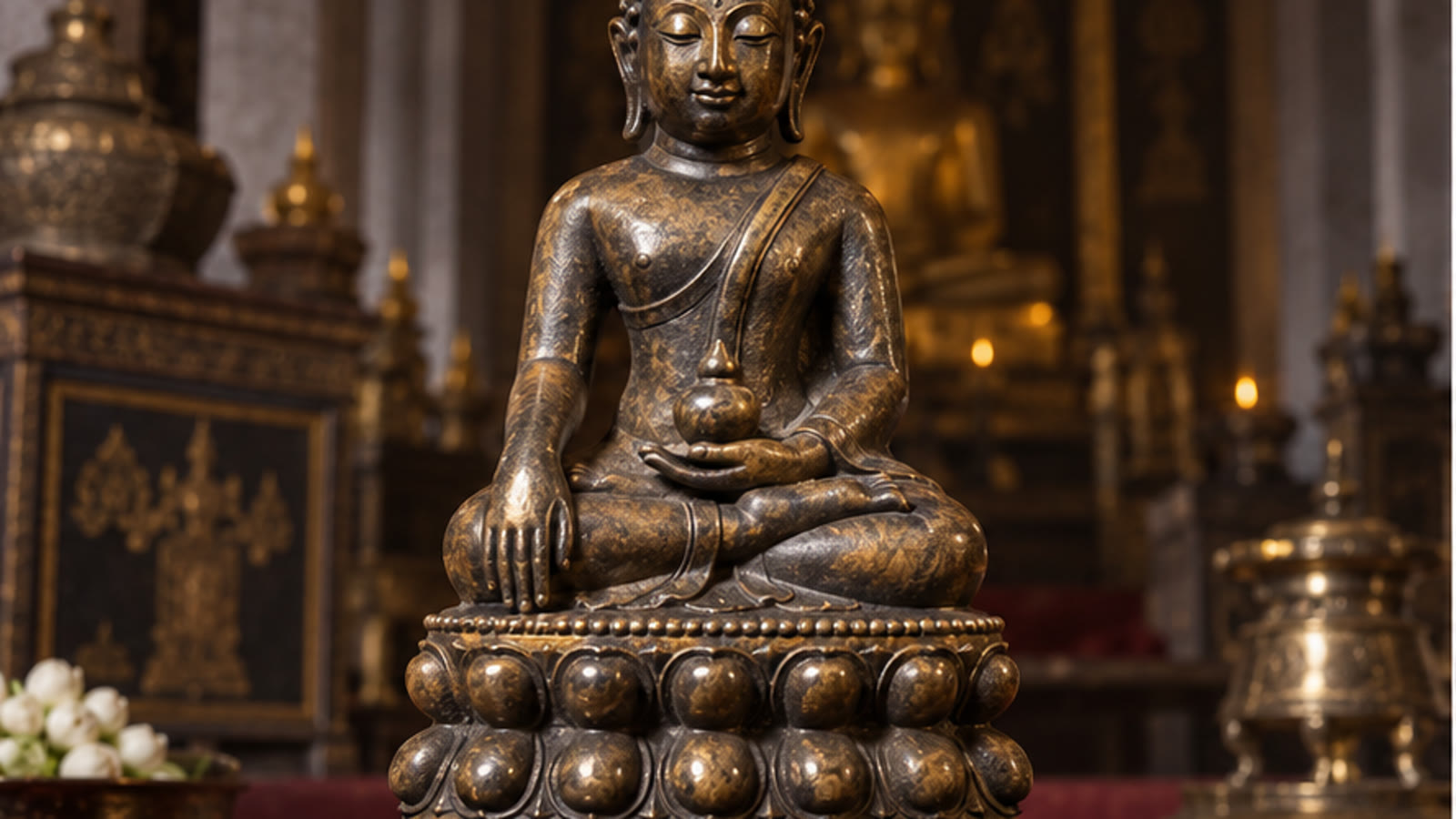
Phra Kring is a small cast seated Buddha with a hollow body and metal pellet that produces a kring sound when shaken. The sound gives the type its name, but cannot authenticate it alone. A later pellet, blockage, repair or recast can change the ring, while an authentic piece may sound weak because of casting or age. Iconography, construction, base closure, alloy and issue records must be read together.
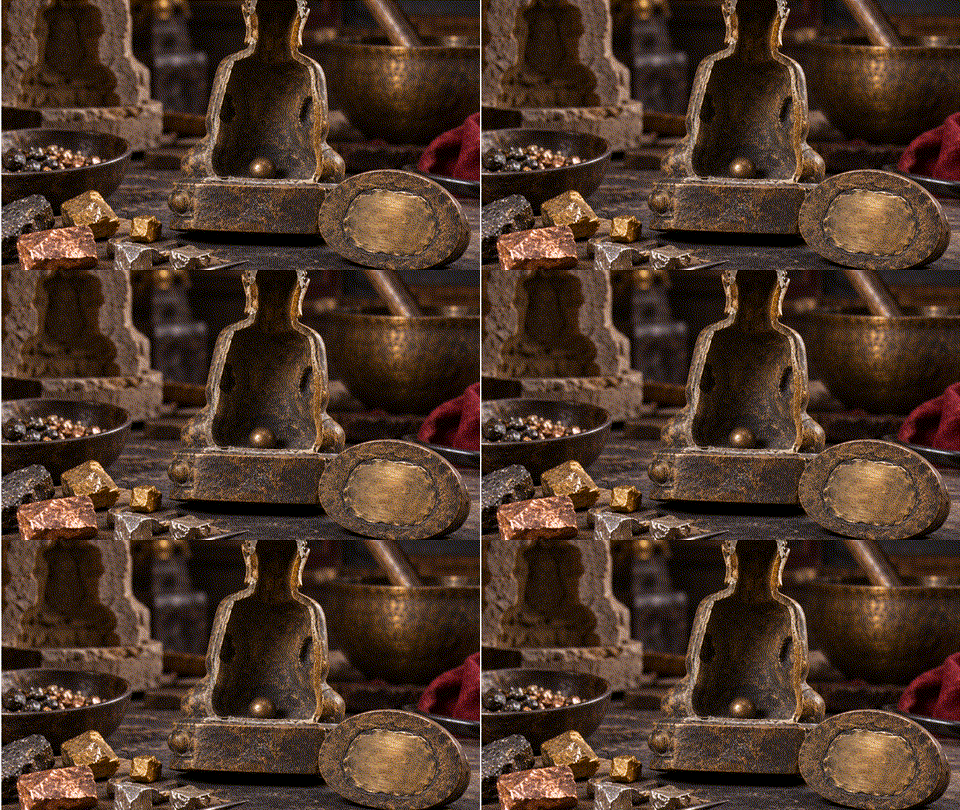
The central figure: the Medicine Buddha
Silpakorn University research traces Phra Kring to Bhaisajyaguru, the Medicine Buddha of Mahayana tradition. The cult concerns illness, healing, longevity and well-being; small ringing images also entered ritual and sacred-water practice. As the tradition travelled, forms and emphases changed, so a Thai Phra Kring need not reproduce every implement of Tibetan or Chinese Medicine Buddha images. Temple and edition records, together with the object, remain decisive.
From Tibet and China through Cambodia to Siam
Research proposes roots around the thirteenth Buddhist century in Tibetan practice, with transmission through China and regional exchange into Southeast Asia. In the early Bangkok period, Cambodian monks studying in Siam and carrying such images became an important conduit. This was not a straight line of copying. Each region absorbed the image into local casting, ritual and aesthetics, and Thailand developed distinctive temple and royal systems of its own.
Two major Thai names: Prince-Patriarch Pavares and Wat Suthat
Thai histories regularly identify Prince-Patriarch Pavares Variyalongkorn with an early Thai Phra Kring, followed by production at many temples. Wat Suthat became a major centre through sustained casting, alloy formulae and master lineages. Reputation does not allow attribution from a vaguely similar face. Wax model, heat, sprue, alloy, base plug and marks must correspond to the specific edition.
Phra Kring and Phra Chaiwat are not simply large and small versions
The two are often cast together, and Phra Chaiwat is also a small seated Buddha, so markets easily call it a miniature Kring. Yet Phra Chaiwat has its own royal victory-image and portable-protection history, with form and attributes not entirely the same. Begin with the official edition name and iconography; the presence of a pellet is not the sole dividing line.
Why the tradition remains desirable
Devotees associate Phra Kring with health, support during illness, safe travel, protection and longevity. The sound adds a distinctive intimacy: a gentle ring can call the wearer back to care for the body, take medicine, seek treatment and remain mindful. A sacred object may carry intention but must not replace medicine. A well-provenanced, soundly cast Phra Kring with a natural ring is both a wearable image and a small history of the Medicine Buddha’s Thai life.