Identification Guides · Aug 2026 (B.E. 2569)
What a photograph cannot see
Weight, hand, smell and the clay in a break are not in the frame. Online trade looks at pictures first. A picture can help. It cannot stand in for the hand.
16 min
What a photograph cannot see
Weight, hand, smell and the clay in a break are not in the frame. Online trade looks at pictures first. A picture can help. It cannot stand in for the hand.
Most people now meet a tablet first on a screen, not in a wat or at a stall. A seller sends two pictures; a group is asked whether it is genuine. The question is common, and it bends the work. A photograph is a flat image, dressed by light. Authentication deals with a thing that has thickness, weight and a path. The overlap is limited.
This is not to say a photograph is useless. Outline, mold line, an obvious chip, crude fake aging — a picture often already shows the fault. The fault comes next: someone writes ‘it looks right in the photo’ as ‘it is genuine’, especially on a dear piece. Samakom and the other main rooms insist on the object because the method requires it, not because they are quaint. A lens does not replace a hand, nor powder under a loupe.
What a photograph can see
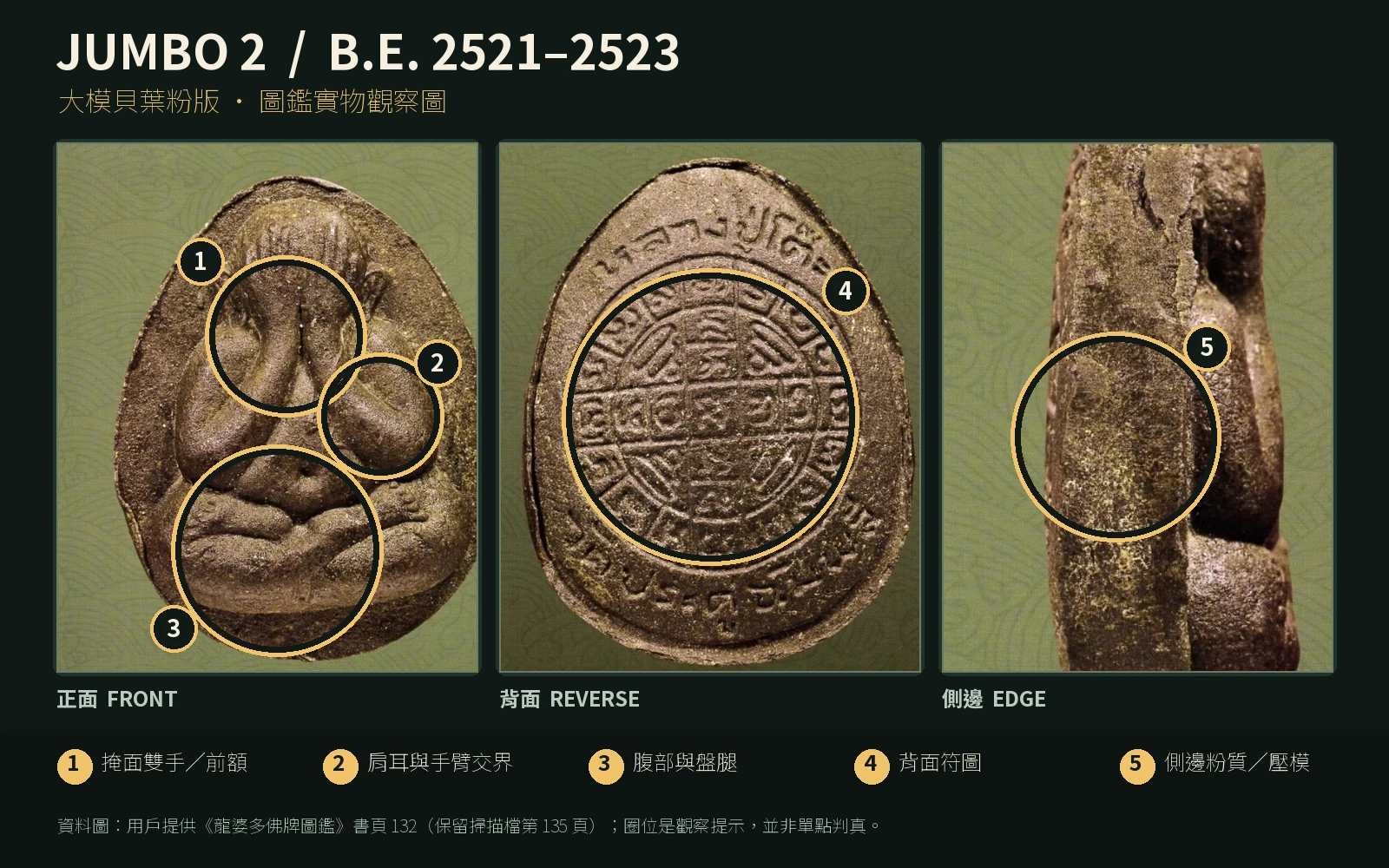
With enough angles, no filter, and a scale in frame, a photograph can check a few things. First the outline: shoulder, knee, base of this mold. Second the mold line: face, mudra, rim — worn flat, or later filled. Third obvious injury: a chip, a crack, a missing corner, and whether it sits where the seller said. Fourth crude aging: dead colour, wild acid spots, earth packed without sense. Those already fail in the picture. There is no need to tell yourself that only the hand will know.
What a photograph cannot see
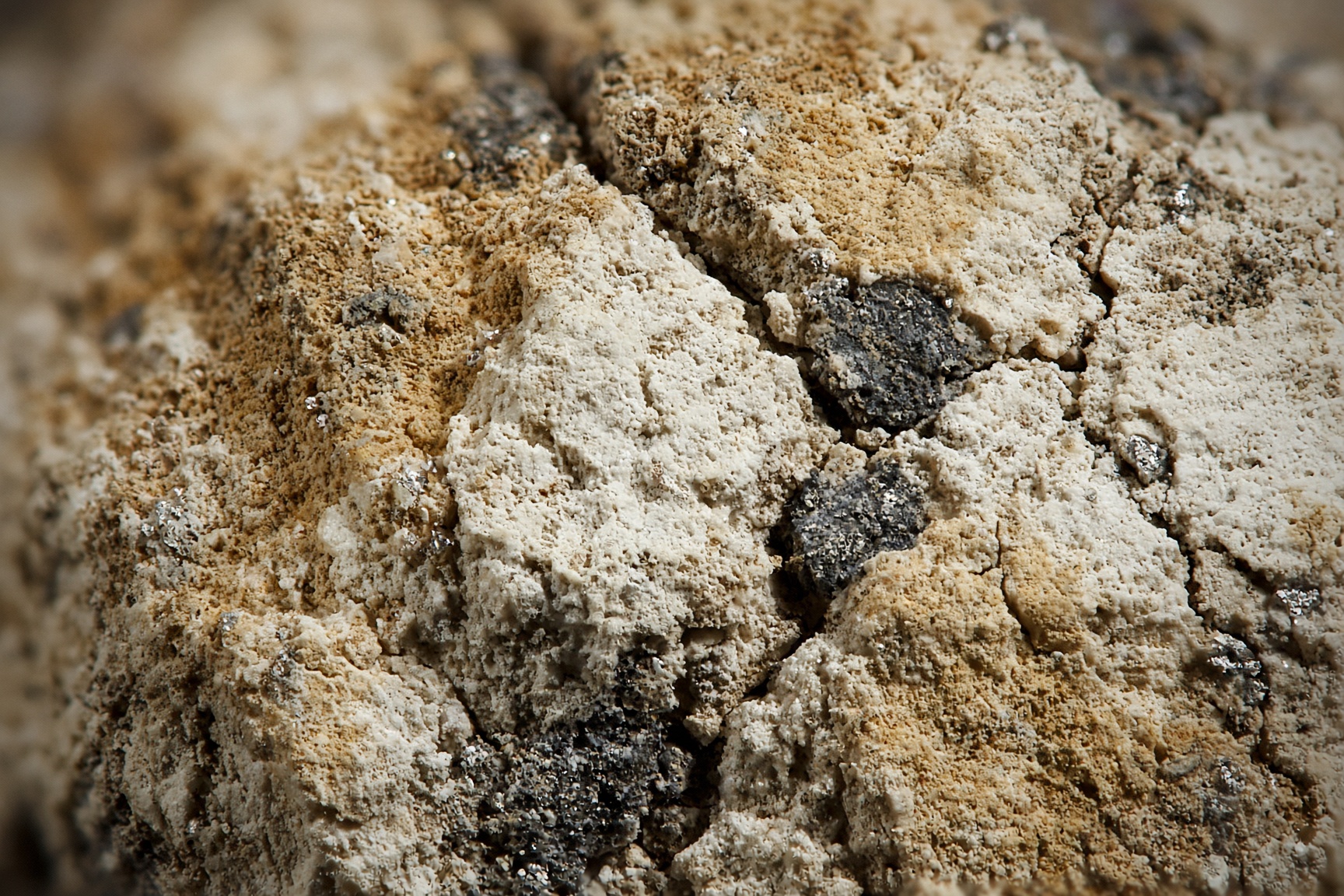
The same piece in the hand and on a screen differs in concrete ways. Weight and density: powder is light, metal is heavy; later fill or lead does not print. Hand: dry, oily, lifting powder, dead gloss — the finger is more honest than the lens. Smell: oil, scent, packed earth sometimes already point a way. Temperature: metal and powder answer room air differently. A break: clay layers, pores, whether the powder is one paste — you look into the crack. A flat picture often shows only a line.
Powder under magnification is still less a thing a phone snapshot can replace. On metal, mold carries more of the weight; on powder, the paste does. Loose or tight, one layer or a coat painted on — that wants a close look. A distant shot presses every surface into one kind of ‘old’. Age and fake age often look alike in the lens.
Light, filters and fake age
Not every seller means to cheat. A handsome picture is already enough to bend a call. Side light digs the mold line deep; front light wipes it. Water or oil suddenly darkens a piece, as if a skin of age had arrived. Filters pour in yellow and warm; new earth looks old. Front only, no back, no base, no scale — a common way to sell. It is not the same as faking. It is the same as not letting you check.
Fake aging is especially glib in a picture. Acid makes spots. Oil makes a wet glow. Packed earth makes a find. Glue on a crack looks, from far off, like an old wound. On the object, under a loupe, by smell, by touch, it often fails against true wear. In a photograph it is often exactly the ‘old’ a buyer hoped to see. Calling a dear piece from a photo turns looking into theatre: a show for the watchers, and a show for oneself.
If a photograph is all you have at first
Online trade cannot put every piece in the hand first. A photograph remains the first gate. That gate is for exclusion, not a sentence. What a picture can kill, it should kill. What still looks possible in a picture may be said to be ‘not yet excluded’. It may not be said to be proved.
- 01Front, back, base and both sides at least. A single prettiest front is a refusal to be checked.
- 02A scale, or an object of known size. Without measure, a perfect mold can still be a later reduction or blow-up.
- 03No filter, no beauty mode. Ask for the original file. A short video shows glare and thickness better than a still.
- 04Ask whether it was shot dry or wet. Colour just after a wash or a wipe of oil is not a skin of age.
- 05Provenance is a separate question. A photo cannot show who held the piece. Provenance needs paper, people and time.