Market & Verification · Nov 2026 (B.E. 2569)
How to choose an amulet that suits you: price, connection and what matters
An expensive amulet may have great historical and collecting value without being the best choice for every wearer. Start with purpose, provenance, condition and a comfortable budget.
9 min

How to choose an amulet that suits you: price, connection and what matters
An expensive amulet may have great historical and collecting value without being the best choice for every wearer. Start with purpose, provenance, condition and a comfortable budget.
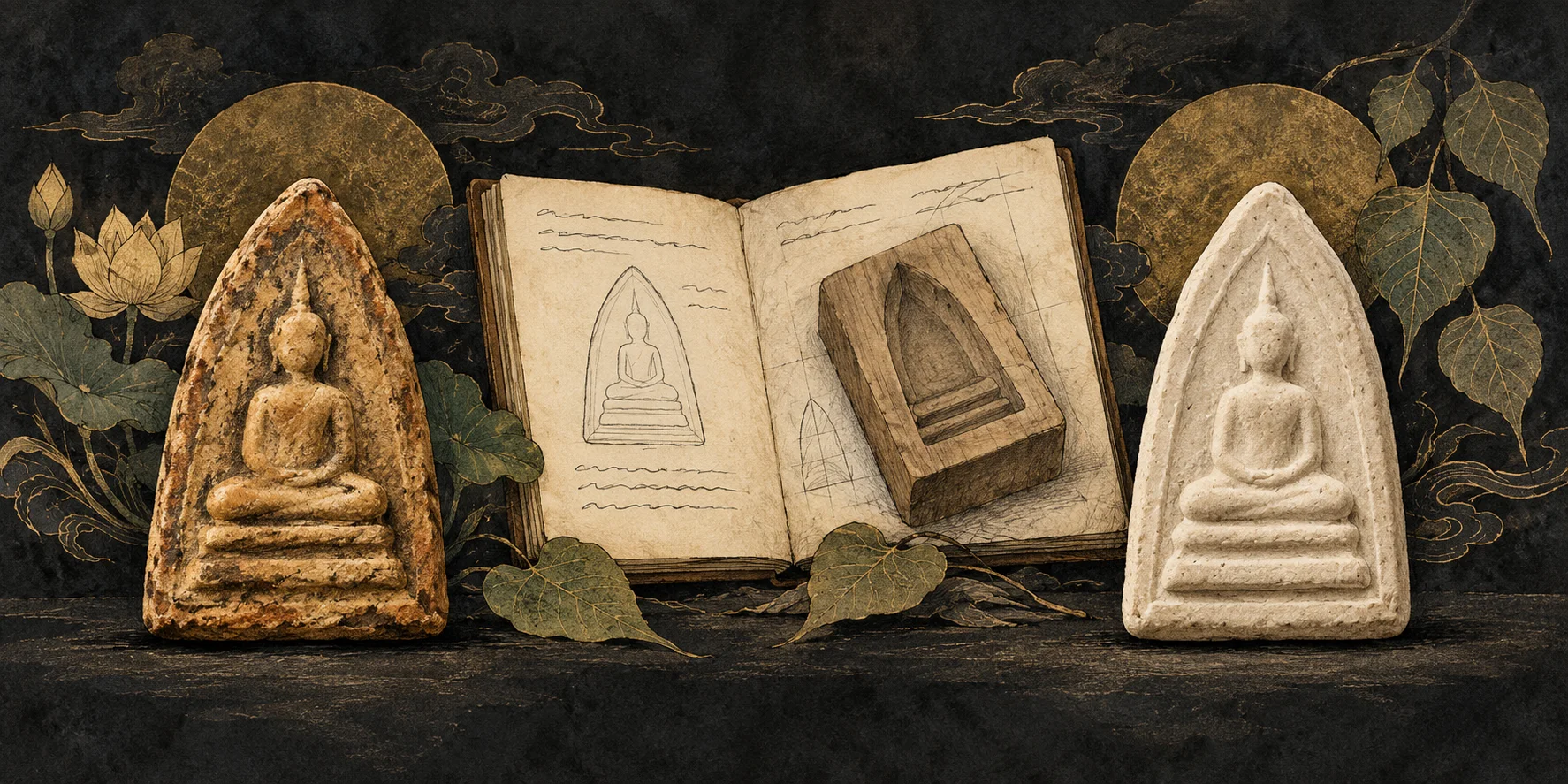
Imagine two amulets side by side. One is a costly issue associated with a celebrated master. The other is modest, yet its temple and maker invite you to learn more. A price tag may settle which costs more; it cannot decide which belongs in your life.
Begin with the relationship you want
Some people wear an amulet as a reminder to act with steadiness and kindness. Others value a connection with a particular teacher or temple. A collector may instead study molds, materials, dates and ownership history. These interests can coexist, but their order changes the choice. A daily wearer may care most about comfort and connection; a collector needs to study the issue and its provenance more closely.
Does a higher price mean a better amulet?
Prices reflect many things: the reputation of a master or temple, issue size, version, material, condition, provenance and current demand. A rare older piece with well documented history may justify a substantial price to a specialist collector. That value is real. Yet price records what a market is willing to pay at a particular time; it is neither a measure of devotion nor a scale of spiritual efficacy.
A low price is not automatically a good fit either. If the origin, date or issue is unclear, or the sales pitch rests entirely on promises of miracles or future gains, affordability should not replace inquiry. A good decision begins with knowing both why the piece matters to you and what the price actually buys.
Four questions that make the decision clearer
- 01What draws me to it: the form, the teacher's example, the temple's story or a personal memory?
- 02How will I live with it: wear it, keep it on an altar or collect it? Are its size, weight and material practical?
- 03Can I identify it clearly: its maker, temple, issue, provenance and present condition? Do the photos match the object?
- 04Can I afford it without strain, and without depending on a quick financial or spiritual return?
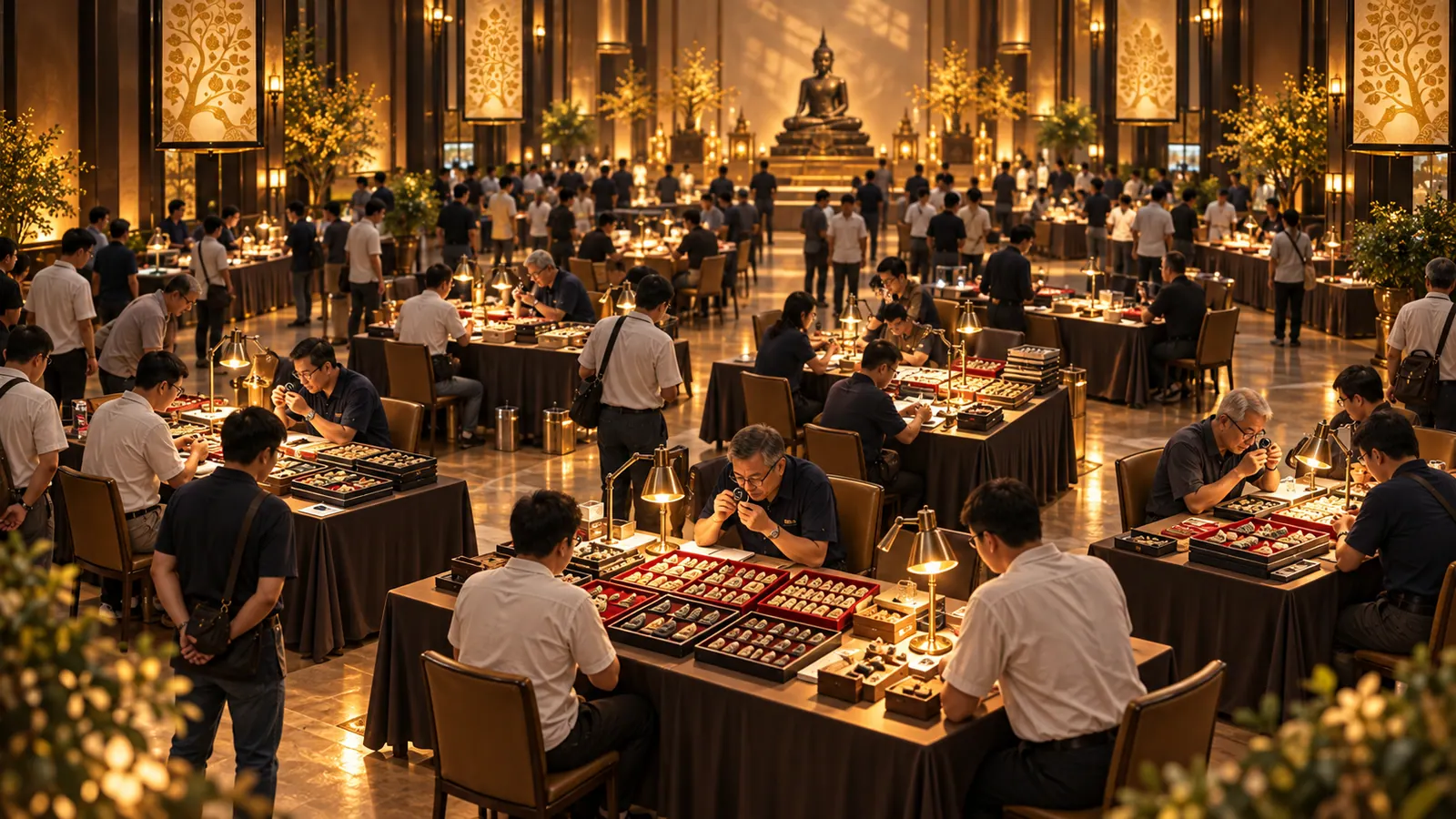
Ask for clear images of the front, back and important details. Check the material, dimensions, wear and any repairs. If a certificate is offered, match its image, number and issuer record to the actual object. Certificates and reputation can help, but do not replace understanding the item and the terms of sale. For a substantial purchase, taking time and seeking independent specialist opinion is part of collecting well.
Connection can start the journey; understanding sustains it
In Thai amulet culture, different forms and teacher traditions carry hopes for safety, good relationships, work and a steadier life. Such meanings connect an object to daily practice. Those hopes need not become a contest in spending. If a piece recalls a teacher's example or a temple's history and encourages more thoughtful conduct, its meaning already extends beyond price.
A place in life today
The amulet that suits you need not be the most expensive in a catalogue or the issue everyone is discussing. It may be a well documented piece you can happily wear for years and afford with ease. Your choice can mature as your knowledge grows. Appreciating a rare masterpiece and cherishing a modest piece that speaks to you are entirely compatible. The final decision should remain your own.