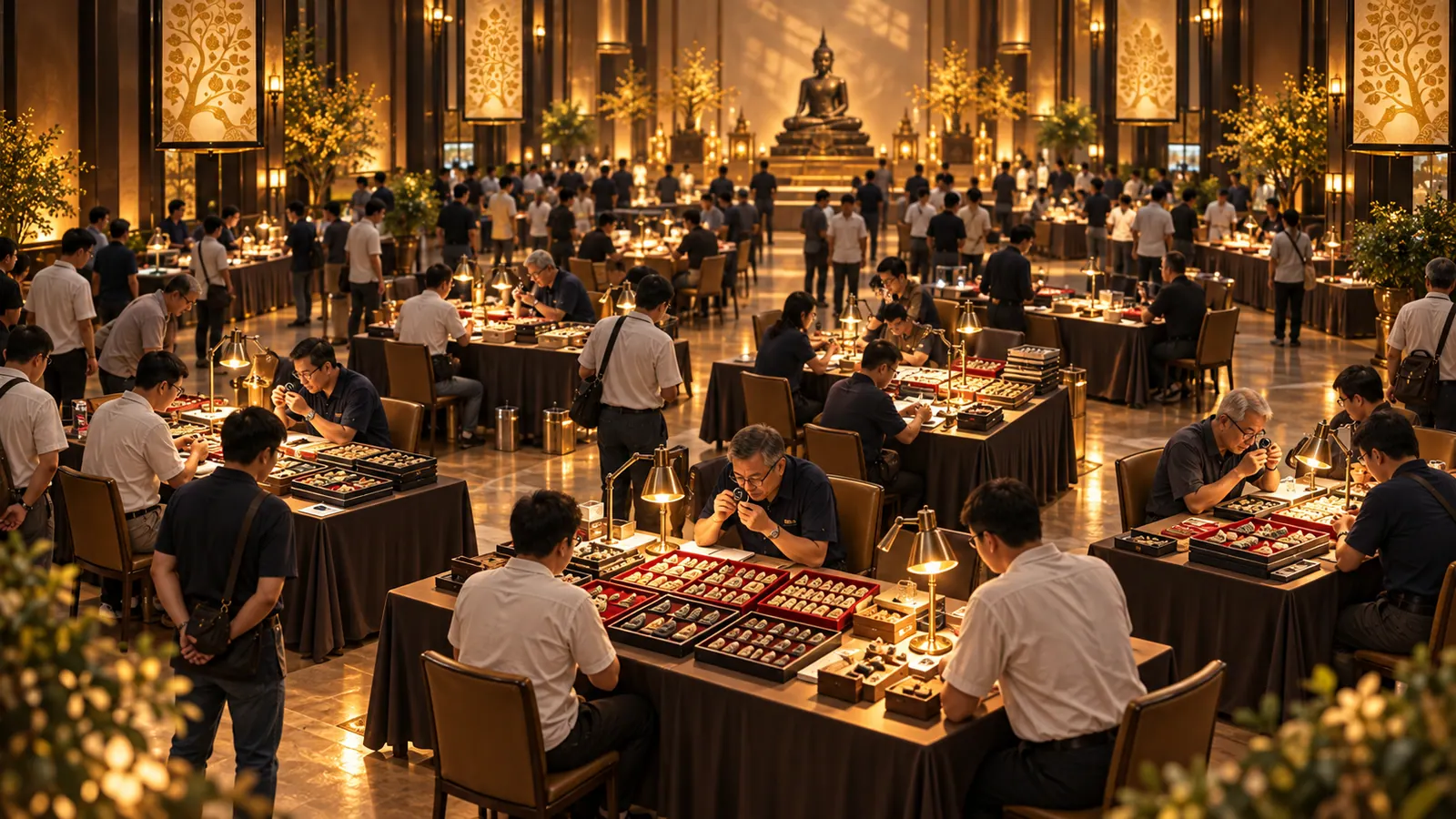
Market & Verification · Oct 2026 (B.E. 2569)
New and old Thai amulets: is older always better?
Older amulets carry history; newer ones can reveal a living tradition. Lineage, materials, method and purpose tell us more than age alone.
6 min
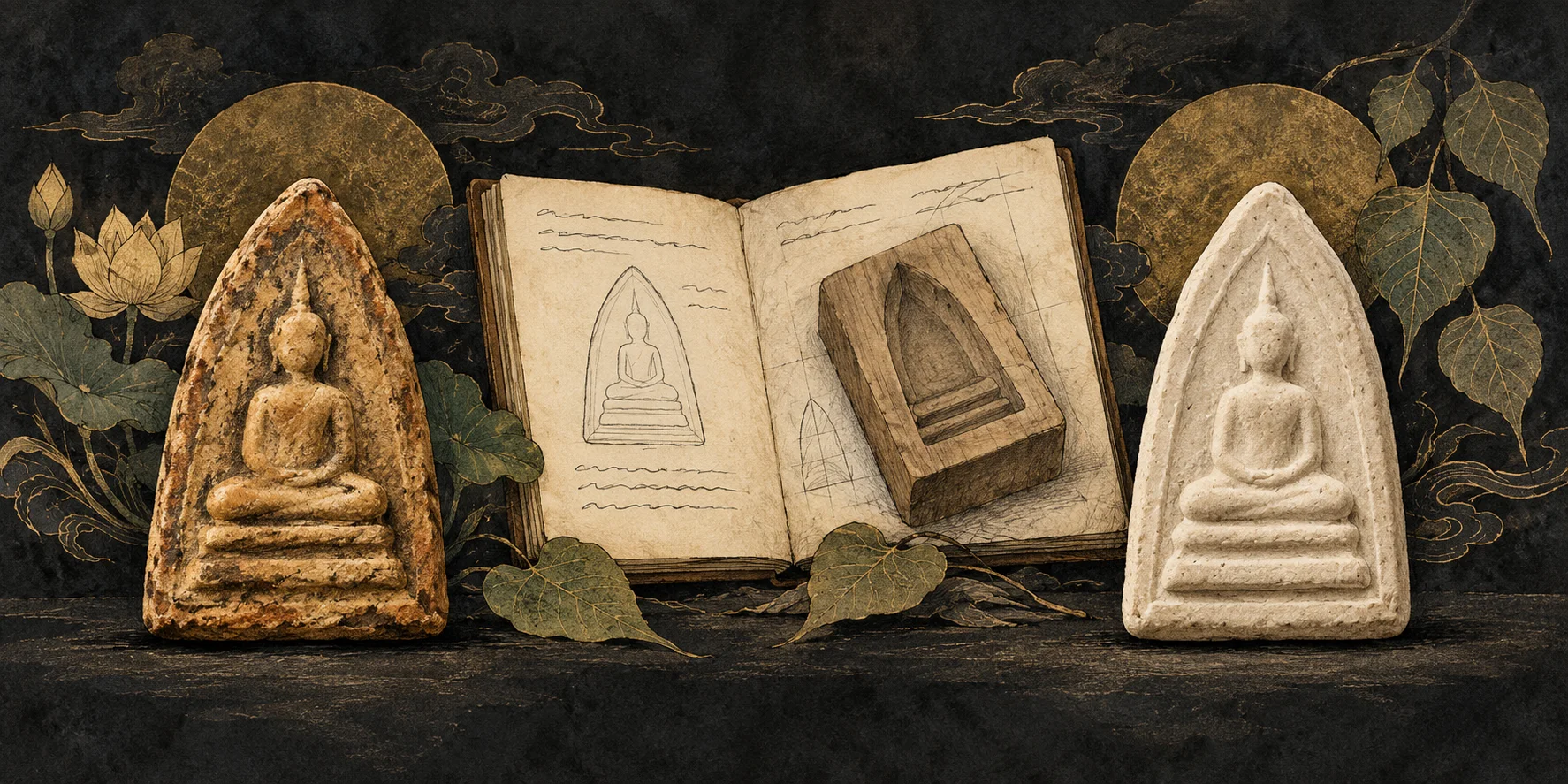
New and old Thai amulets: is older always better?
Older amulets carry history; newer ones can reveal a living tradition. Lineage, materials, method and purpose tell us more than age alone.
The year an amulet was made is often the first detail a collector notices. An older piece has passed through time and may be treasured for surviving it. A newly made piece is sometimes dismissed for having no age at all. But must older always mean better, and must newer mean unworthy of collecting? Age matters, but it cannot be the only measure.
What does an older amulet preserve?
An older amulet may connect us to a particular teacher, temple and period. Wear, changes in material, its passage between owners and the methods available when it was made can all help tell its story. Collecting it can also mean keeping a fragment of the history shared by a temple and its community.
The story of a newer amulet is still unfolding
A newer amulet offers a different connection. Collectors may be able to learn about the temple's purpose, its chosen materials and making process while these events are taking place, or even participate in them. Its story does not have to wait decades to begin: making, receiving, wearing and preserving it all become part of its passage through time.
Research on Thai amulets shows that their meanings and production have changed with social life. The materials, forms and methods a temple uses can vary from one period to another. New and old, then, are not fixed grades of quality; they are starting points for understanding the circumstances in which an object was made.
Four questions worth asking beyond the date
- 01Lineage: who made or oversaw the issue, and how does that person connect with a teacher and temple tradition?
- 02Materials: what was chosen, and why did those materials matter to this temple or issue?
- 03Method: what distinguishes its mould, pressing, casting or finishing process?
- 04Purpose: was it made for temple works, commemoration, distribution to devotees or the continuation of a local tradition?
These questions are not an examination. They help us see what makes an issue distinctive. One teacher may have used different materials for different purposes over time; two temples may give the same image very different histories. The more we understand, the less we need to let the words new and old make the decision for us.
A place in life today
An older amulet's history cannot be recreated. A newer one's connection to a living teacher, temple and community deserves care too. Both may be meaningful objects to wear, study and preserve. The more rewarding question is not simply how old a piece is, but where it came from, why it was made and why we choose to keep it close.