Thai-script chant · Thai pronunciation · About 316 seconds · Synthesized recitation
Recollecting the Triple Gem and the great disciples for steadiness and protection | พระคาถาชินบัญชร → Phra Katha Chinnabanchon → Jinapañjara Gāthā
Recitation only, without commentary or music.
Original chant
Thai-script pronunciation
นะโม ตัสสะ ภะคะวะโต อะระหะโต สัมมาสัมพุทธัสสะ นะโม ตัสสะ ภะคะวะโต อะระหะโต สัมมาสัมพุทธัสสะ นะโม ตัสสะ ภะคะวะโต อะระหะโต สัมมาสัมพุทธัสสะ ปุตตะกาโม ละเภ ปุตตัง ธะนะกาโม ละเภ ธะนัง อัตถิ กาเย กายะญายะ เทวานัง ปิยะตัง สุตวา อิติปิโส ภะคะวา ยะมะราชาโน ท้าวเวสสุวัณโณ มะระณัง สุขัง อะระหัง สุคะโต นะโม พุทธายะ ชะยาสะนาคะตา พุทธา เชตวา มารัง สะวาหะนัง จะตุสัจจาสะภัง ระสัง เย ปิวิงสุ นะราสะภา ตัณหังกะราทะโย พุทธา อัฏฐะวีสะติ นายะกา สัพเพ ปะติฏฐิตา มัยหัง มัตถะเก เต มุนิสสะรา สีเส ปะติฏฐิโต มัยหัง พุทโธ ธัมโม ทะวิโลจะเน สังโฆ ปะติฏฐิโต มัยหัง อุเร สัพพะคุณากะโร หะทะเย เม อะนุรุทโธ สารีปุตโต จะ ทักขิเณ โกณฑัญโญ ปิฏฐิภาคัสมิง โมคคัลลาโน จะ วามะเก ทักขิเณ สะวะเน มัยหัง อาสุง อานันทะราหุลา กัสสะโป จะ มะหานาโม อุภาสุง วามะโสตะเก เกสันเต ปิฏฐิภาคัสมิง สุริโย วะ ปะภังกะโร นิสินโน สิริสัมปันโน โสภิโต มุนิ ปุงคะโว กุมาระกัสสะโป เถโร มะเหสี จิตตะวาทะโก โส มัยหัง วะทะเน นิจจัง ปะติฏฐาสิ คุณากะโร ปุณโณ อังคุลิมาโล จะ อุปาลี นันทะสีวะลี เถรา ปัญจะ อิเม ชาตา นะลาเฏ ติละกา มะมะ เสสาสีติ มะหาเถรา วิชิตา ชินะสาวะกา เอตาสีติ มะหาเถรา ชิตะวันโต ชิโนระสา ชะลันตา สีละเตเชนะ อังคะมังเคสุ สัณฐิตา ระตะนัง ปุระโต อาสิ ทักขิเณ เมตตะสุตตะกัง ธะชัคคัง ปัจฉะโต อาสิ วาเม อังคุลิมาละกัง ขันธะโมระปะริตตัญจะ อาฏานาฏิยะสุตตะกัง อากาเส ฉะทะนัง อาสิ เสสา ปาการะสัณฐิตา ชินาณา วะระสังยุตตา สัตตัปปาการะลังกะตา วาตะปิตตาทิสัญชาตา พาหิรัชฌัตตุปัททะวา อะเสสา วินะยัง ยันตุ อะนันตะชินะเตชะสา วะสะโต เม สะกิจเจนะ สะทา สัมพุทธะปัญชะเร ชินะปัญชะระมัชฌัมหิ วิหะรันตัง มะหีตะเล สะทา ปาเลนตุ มัง สัพเพ เต มะหาปุริสาสะภา อิจเจวะมันโต สุคุตโต สุรักโข ชินานุภาเวนะ ชิตูปัททะโว ธัมมานุภาเวนะ ชิตาริสังโค สังฆานุภาเวนะ ชิตันตะราโย สัทธัมมานุภาวะปาลิโต จะรามิ ชินะปัญชะเรติ
Pali-style romanization
Namo tassa bhagavato arahato sammāsambuddhassa. Namo tassa bhagavato arahato sammāsambuddhassa. Namo tassa bhagavato arahato sammāsambuddhassa. Puttakāmo labhe puttaṃ, dhanakāmo labhe dhanaṃ, atthi kāye kāyañāya, devānaṃ piyataṃ sutvā, iti pi so bhagavā, yamarājāno, Thāo Vessuvaṇṇo, maraṇaṃ sukhaṃ arahaṃ sugato namo buddhāya. Jayāsanāgatā buddhā jetvā māraṃ savāhanaṃ, catusaccāsabhaṃ rasaṃ ye piviṃsu narāsabhā. Taṇhaṅkarādayo buddhā aṭṭhavīsati nāyakā, sabbe patiṭṭhitā mayhaṃ matthake te munissarā. Sīse patiṭṭhito mayhaṃ buddho dhammo dvilocane, saṅgho patiṭṭhito mayhaṃ ure sabbaguṇākaro. Hadaye me Anuruddho, Sāriputto ca dakkhiṇe, Koṇḍañño piṭṭhibhāgasmiṃ, Moggallāno ca vāmake. Dakkhiṇe savane mayhaṃ āsuṃ Ānanda-Rāhulā, Kassapo ca Mahānāmo ubhāsuṃ vāmasotake. Kesante piṭṭhibhāgasmiṃ Suriyo va pabhaṅkaro, nisinno sirisampanno Sobhito munipuṅgavo. Kumārakassapo thero mahesī cittavādako, so mayhaṃ vadane niccaṃ patiṭṭhāsi guṇākaro. Puṇṇo Aṅgulimālo ca Upālī Nanda-Sīvalī, therā pañca ime jātā nalāṭe tilakā mama. Sesāsīti mahātherā vijitā jinasāvakā, etāsīti mahātherā jitavanto jinorasā; jalantā sīlatejena aṅgamaṅgesu saṇṭhitā. Ratanaṃ purato āsi, dakkhiṇe Mettasuttakaṃ, Dhajaggaṃ pacchato āsi, vāme Aṅgulimālakaṃ. Khandha-Mora-parittañca Āṭānāṭiyasuttakaṃ, ākāse chadanaṃ āsi, sesā pākārasaṇṭhitā. Jināṇā varasaṃyuttā sattappākāralaṅkatā, vātapittādisañjātā bāhirajjhattupaddavā. Asesā vinayaṃ yantu anantajinatejasā, vasato me sakiccena sadā sambuddhapañjare. Jinapañjaramajjhamhi viharantaṃ mahītale, sadā pālentu maṃ sabbe te mahāpurisāsabhā. Iccevamanto sugutto surakkho, jinānubhāvena jitūpaddavo, dhammānubhāvena jitārisaṅgho, saṅghānubhāvena jitantarāyo, saddhammānubhāvapālito carāmi jinapañjareti.
About this chant
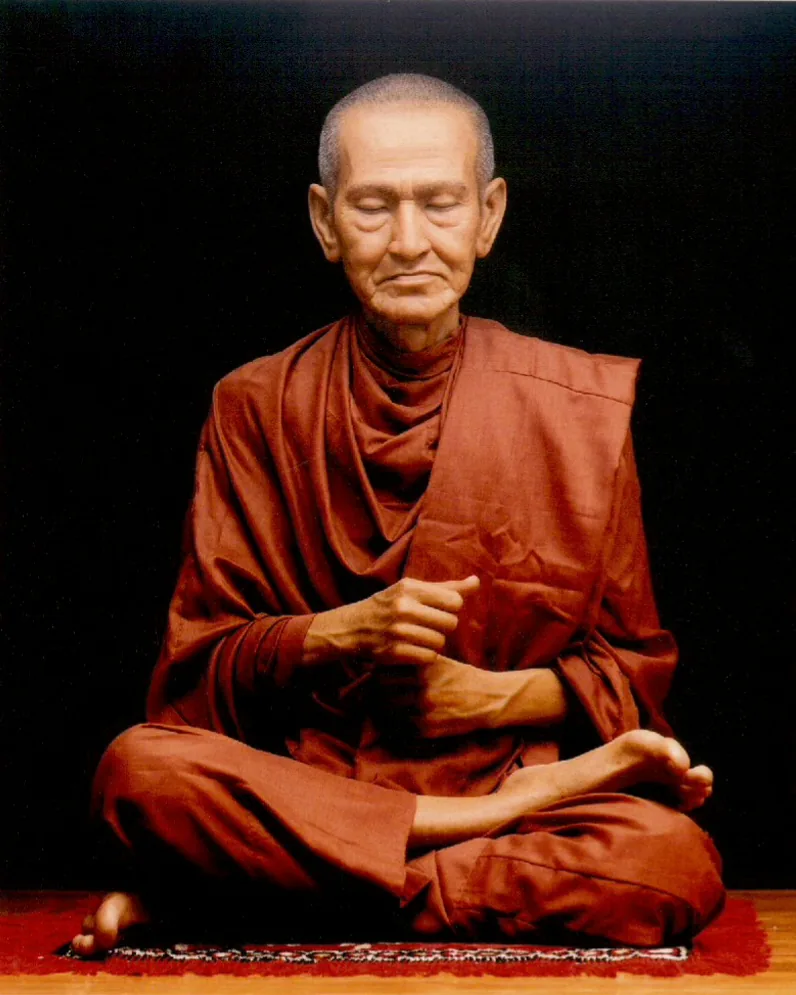
The Jinapañjara Gāthā, พระคาถาชินบัญชร, is one of Thailand’s best-known protective recitations and is closely associated in Thai and Chinese amulet communities with Somdej Toh, สมเด็จพระพุฒาจารย์ (โต พรหมรังสี). Jina means the Conqueror, a title of the Buddha, while pañjara suggests an enclosure, lattice or surrounding structure. Historically, it is safer not to claim that Somdej Toh created the whole text from nothing: Thai sources connect it with older northern Thai or Lanna and Sri Lankan textual traditions, while the fifteen-stanza form widely used today was preserved, arranged and promoted within the Somdej Toh lineage.
The recording begins with Namo tassa three times, followed by the circulating introductory verse and the fifteen main stanzas once. Stanzas one to three recollect the Buddhas, Dhamma and Sangha. Stanzas four to nine place named eminent disciples around different parts of the body. Stanzas ten and eleven surround the reciter with well-known protective discourses in the four directions and above. Stanzas twelve to fifteen conclude with layered protection, the removal of obstacles and abiding within the Buddha’s enclosure.
This body-surrounding imagery is a devotional method of recollection and contemplation. It reminds the reciter to bring body, speech and mind under the guidance of the Triple Gem and ethical conduct. Devotees recite it during morning or evening practice, before travelling, when unsettled, when facing difficulty, or while paying respect to Somdej Toh. Protection, calm and auspicious support are traditional religious interpretations, not guarantees about accidents, illness, wealth or life outcomes.
More than one Jinapañjara recension circulates in Thailand. The popular Somdej Toh version and later edited versions differ in several words, stanza order and prefatory material. This page keeps to one widely recited Thai fifteen-stanza version in Thai phonetic spelling and does not merge readings from another recension into the same audio track. New readers can follow it phrase by phrase without trying to recite quickly.
References
Further reading · Related items available now
Continue from this subject to current listings and auctions.
Matches prioritize the master, temple and amulet type. When fewer than three match, other current items are added at random.
Public comments
Comments are public and show only your member name.
…
Saving, comments and Community Review need an approved community membership. Reading does not.