Thai-script chant · Thai pronunciation · About 22 seconds · Synthesized recitation
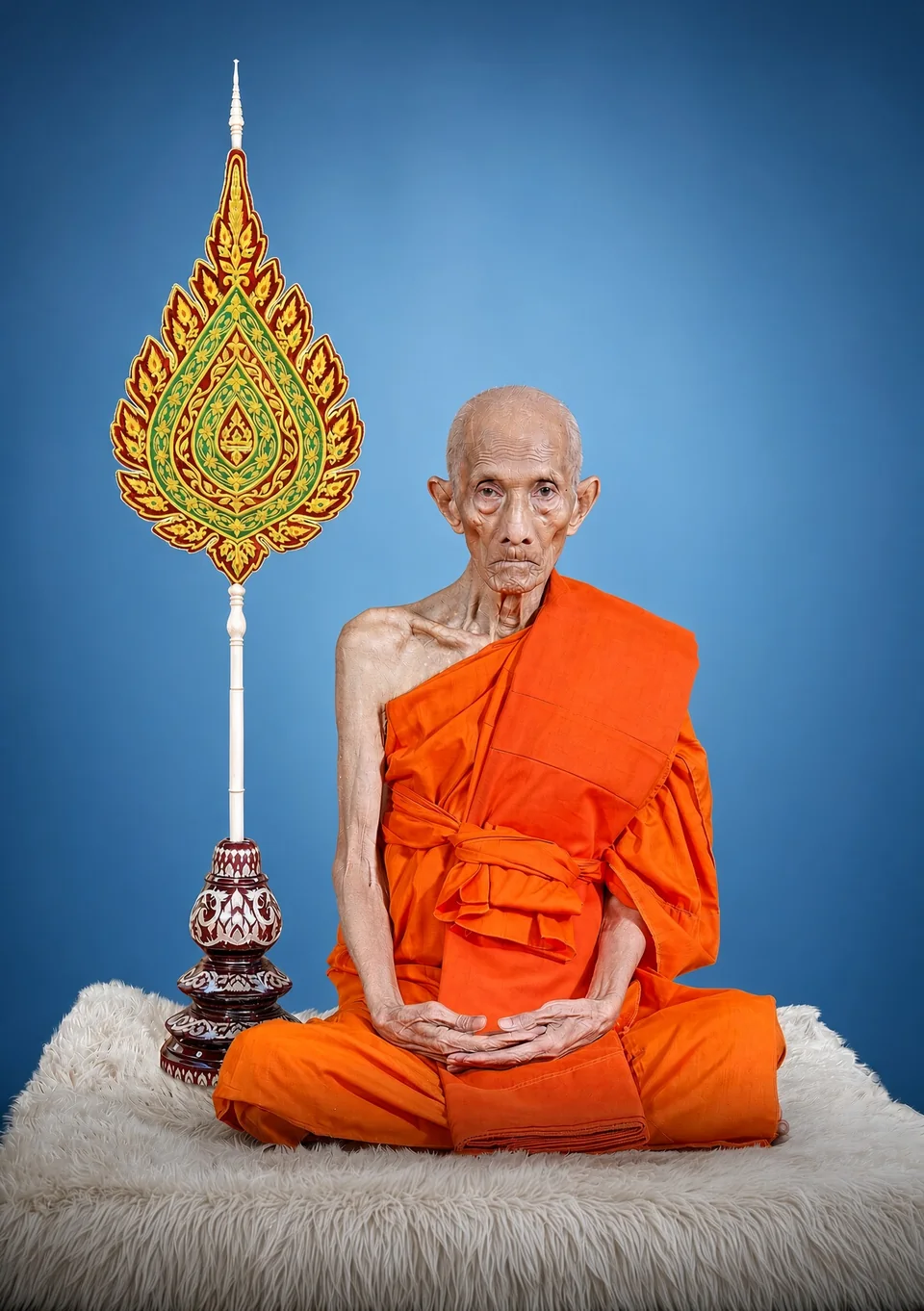
A prosperity prayer before work or trade | คาถามหาลาภหลวงพ่อรวย → Khatha Maha Lap Luang Pho Ruay → Ka-tha Ma-ha Lap Luang Pho Ruay
Recitation only, without commentary or music.
Original chant
Thai-script pronunciation
สัมพุทธชิตา จะสัจจานิ เกรัตสะ พระพุทธชิตา สัพพะโส คุณะวิภา สัมปัจโต นะรุตตะโม มหาลาภัง สัพพะสิทธิ ภะวันตุ เม
Romanized reading guide
Samphutthachita cha satchani Keratsa phraphutthachita Sapphaso khunawipha Sampatchato naruttamo Mahalaphang sapphasitthi Phawantu me
About this chant
Luang Pho Ruay Pasathiko, formally Phra Mongkhon Sitthachan, was the abbot of Wat Tako in Phachi District, Ayutthaya. He is widely recognised in Thailand and in Chinese-speaking Thai-amulet circles. Ruay is a familiar shortening of his secular name, Samruai, and also means “rich” in Thai. This auspicious association, together with issue names such as Chana Chon, helped connect his popular devotion with hopes for prosperity, trade and an improved livelihood.
Thai sources commonly call this short formula the “Luang Pho Ruay great-fortune chant” or a homage chant. Modern publications usually print it in six lines and often instruct the reader to recite Namo tassa three times first. Because TAMRA already publishes Namo tassa separately, this recording contains one complete recitation of the main formula only.
The transmitted wording is not completely stable. The second line appears as เกรัตสะ, เกรัตน์สะ or in split spellings, while the fourth has both สัมปัจโต and สัมปัตโต. This article follows the widely circulated modern reading with เกรัตสะ and สัมปัจโต. No publicly accessible original Wat Tako manual has yet been located, and the unstable forms should not be forced into an allegedly uncontested standard-Pali reconstruction. The traditional overall sense is therefore given cautiously: “Recollecting the Buddha’s victory and truth, may excellent virtue, great gain and every accomplishment be present for me.”
Devotees commonly recite the formula before opening a shop, beginning work, conducting business or praying for honest livelihood to proceed smoothly. These are religious and folk-belief uses, not guarantees of profit, investment returns or debt relief. Records of Ruay’s temple administration instead stress living within one’s means, avoiding burdensome debt and remembering that actions bring corresponding results. Recitation belongs alongside honesty, effort, saving and prudent risk management.
References
- สำนักงานประชาสัมพันธ์จังหวัดพระนครศรีอยุธยา — วัดตะโกและสายสืบทอดหลวงพ่อรวย
- สำนักงานพระพุทธศาสนาจังหวัดพระนครศรีอยุธยา — พิธีบูรพาจารย์หลวงพ่อรวย
- Patanasilpa Journal — การศึกษาบทเพลงวอนหลวงพ่อรวยและข้อความคาถา
- ธนาคารกสิกรไทย — คาถามหาลาภฉบับเผยแพร่สมัยใหม่
- TrueID Horoscope — คาถาหลวงพ่อรวยฉบับเผยแพร่สมัยใหม่
Further reading · Related items available now
Continue from this subject to current listings and auctions.
Matches prioritize the master, temple and amulet type. When fewer than three match, other current items are added at random.
Public comments
Comments are public and show only your member name.
…
Saving, comments and Community Review need an approved community membership. Reading does not.